
Monochaetum floribundum
Monochaetum floribundum
Description
Growing requirements
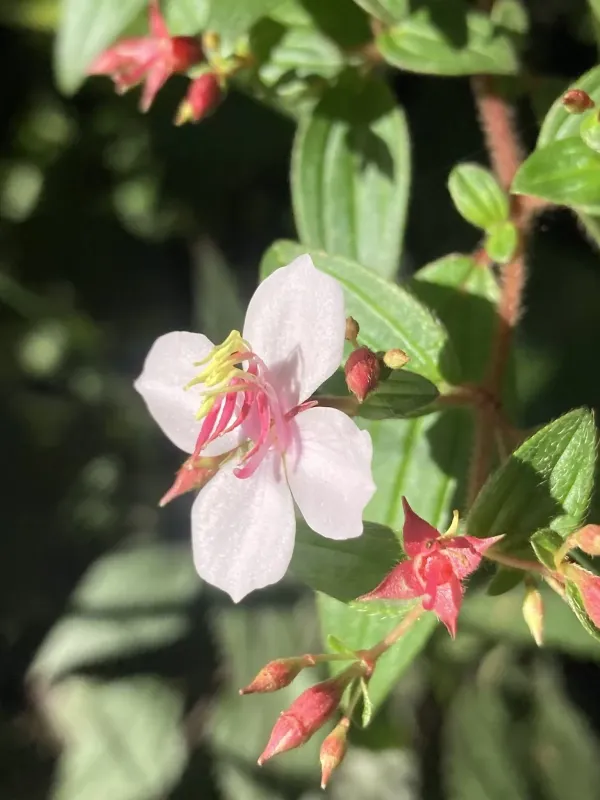
Monochaetum floribundum is an ornamental shrub belonging to the Melastomataceae family. It is widely recognized for its vibrant flowers and compact, bushy growth habit.
The species originates from the mountainous regions of Central and South America. It thrives in high-altitude environments characterized by consistent moisture and moderate temperatures.
Successful cultivation requires soil that is rich in organic matter and acidic in reaction. Proper drainage is the most critical factor to prevent root rotting and ensure oxygen access to the root zone.
The plant performs best in locations with filtered or indirect light. Exposure to intense, direct sunlight can result in scorched foliage, particularly in lowland climates or dry environments.
Economically, this species is cultivated as a specialty ornamental plant. Its primary use is in landscaping and as a pot plant in temperate climates, where it adds significant aesthetic value to gardens.
Main diseases and pests
Spider mites are the most common pests affecting this culture, especially when ambient humidity levels are kept too low for an extended duration of time.
Root rot, often caused by Phytophthora species, poses a significant threat in poorly drained or waterlogged soils. Early detection is vital to save the plant from complete collapse.
Powdery mildew can infect leaves and stems when air circulation is poor. Maintaining adequate spacing between individual plants is a primary cultural control method.
Scale insects can attach to woody stems and branches. These pests can be effectively managed through systemic pesticides or manual removal with horticultural oils.
Leaf spot diseases, caused by various fungal pathogens, may manifest as necrotic lesions on foliage. Keeping the canopy dry and improving ventilation usually mitigates these risks.