
Momordica charantia
Momordica charantia L.
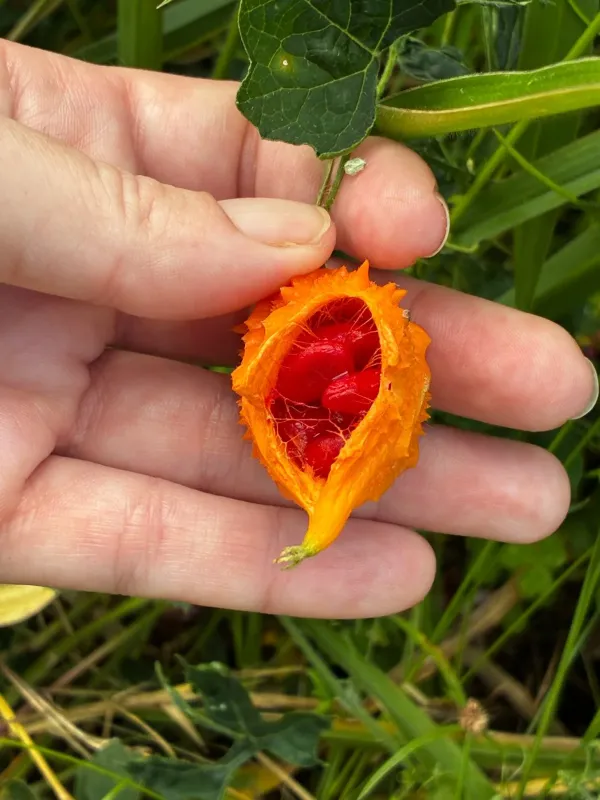
Description
Sowing dates
Momordica charantia, commonly known as bitter melon, is a tropical vine in the Cucurbitaceae family that thrives in warm, humid climates.
Seeds have a hard coat; therefore, scarification or soaking in warm water for 24 hours prior to planting significantly improves germination rates.
For temperate regions, seeds should be started indoors in biodegradable pots about 4 to 6 weeks before the last expected frost date.
Transplanting is a critical stage; because bitter melon has a sensitive root system, it is essential to minimize root disturbance when moving seedlings to the field.
The plants should be spaced at least 60 centimeters apart to provide enough room for the vigorous growth of the vines and to ensure proper airflow.
Growing requirements
This crop requires consistent warmth, with optimal development occurring in temperatures between 25 and 30 degrees Celsius throughout the growing cycle.
Bitter melon prefers well-drained, sandy loam soils rich in organic matter, such as well-rotted compost or manure, to support its rapid vegetative growth.
Full sun exposure is vital; the plants need at least 6 to 8 hours of direct sunlight daily to produce high-quality yields and reach full maturity.
Consistent soil moisture is necessary for success, but gardeners must avoid waterlogged conditions, which lead to root rot and other fungal diseases.
Providing a sturdy trellis system is essential, as the vines are climbers and need vertical support to keep fruits off the ground and prevent rotting.
Yield
Yield management begins with proper pruning; pinching off secondary side shoots encourages the plant to direct energy into fruit set and development.
In optimal conditions, a single healthy vine can produce a substantial harvest of bitter melons, with fruit production continuing over several weeks.
Regular fertilization with high-potassium nutrients during the flowering phase helps to improve fruit size and overall crop yield per plant.
Pollination is a key factor; since the plant produces separate male and female flowers, a healthy population of pollinators is necessary for fruit set.
Yields are typically measured by the number and weight of harvested fruits, which depend heavily on local climate stability and consistent irrigation.
Main diseases and pests
Powdery mildew is a common fungal threat, particularly in regions with high humidity or when plants are grown too close together without ventilation.
Aphids and spider mites are the most frequent insect pests, often attacking the leaves and reducing the photosynthetic capacity of the plant.
Fruit flies can cause damage by laying eggs in the ripening fruits; using netting or bagging the fruits is an effective physical protection strategy.
Integrated pest management, including the use of neem oil or insecticidal soaps, is recommended for managing infestations without harming beneficial insects.
- Practice crop rotation to minimize soil-borne pathogens.
- Remove any infected plant debris immediately.
- Ensure adequate vertical spacing to improve canopy airflow.
Harvesting
Harvesting Momordica charantia must be done at the right stage of development, usually when the fruits are firm and light green in color.
If allowed to ripen fully on the vine, the fruits turn yellow or orange, soften significantly, and lose the bitter taste preferred for culinary use.
It is best to cut the fruits from the vine using clean pruning shears rather than pulling them, which prevents damage to the delicate stems.
The shelf life of harvested bitter melon is relatively short, so it should be cooled promptly and marketed or consumed within a few days.
Regular harvesting every few days prevents the plant from overloading and encourages continuous production throughout the growing season.