
Gac fruit
Momordica cochinchinensis (Lour.) Spreng.
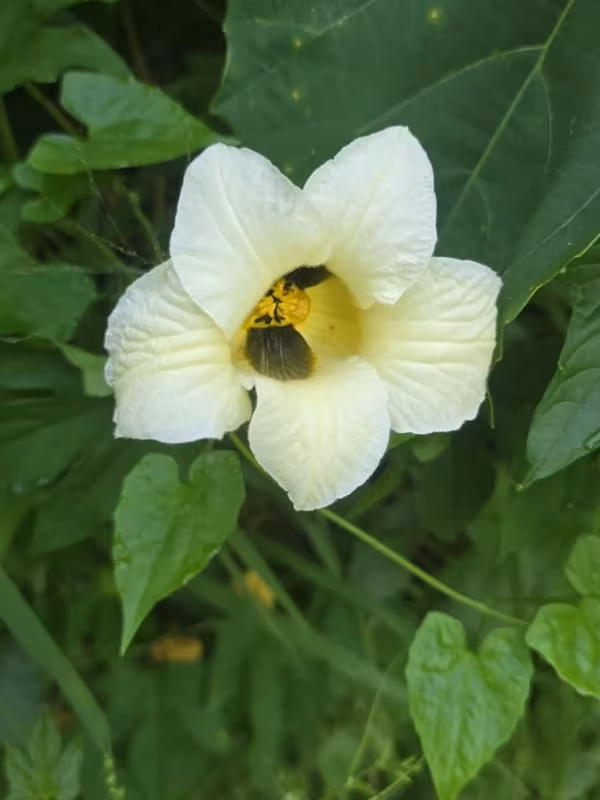
Description
Sowing dates
Momordica cochinchinensis, commonly known as Gac, is a vigorous perennial climbing vine within the Cucurbitaceae family. Seeds are typically sown after the danger of frost has passed.
To improve germination rates, seeds are often soaked in water for several hours. Some growers also carefully scarify the hard outer seed coat to allow moisture to penetrate.
Propagation is usually done in containers using a rich, well-draining potting medium. Seedlings are then transplanted outdoors once soil temperatures are consistently warm.
Proper spacing is crucial for this species, as the vines can reach significant lengths. Providing enough room ensures better air circulation and easier harvesting.
Installation of strong trellises or netting is a mandatory step in the planting process. Without vertical support, the plant is prone to fungal diseases and poor fruit yield.
Growing requirements
Gac fruit thrives in tropical and subtropical climates, requiring high temperatures between +20°C and +35°C. Exposure to cold can severely stunt development.
The soil should be fertile, organic-rich, and possess excellent drainage properties. A pH range near neutral is ideal for optimal nutrient absorption.
Regular watering is essential, especially during the flowering and fruit-setting stages. However, waterlogging must be avoided to prevent root system rot.
The plant requires full sun to produce high-quality fruits. Shaded areas often result in poor blooming and a lack of proper fruit development.
Cross-pollination is often necessary for high productivity. In greenhouse environments, manual pollination may be required to ensure successful fruit set.
Main diseases and pests
Common pests include spider mites and aphids, which thrive in hot, dry conditions. These insects can quickly colonize the leaves and cause significant stress.
Powdery mildew is a prevalent disease, especially in areas with poor airflow and high humidity. It manifests as a white dusty coating on the foliage.
Root rot is a major threat caused by overwatering or poorly draining soil. Preventive measures include maintaining a strict and controlled irrigation schedule.
Caterpillars and certain beetle species can damage the leaves and developing fruit. Integrated pest management using biological controls is often recommended.
Viruses transmitted by sap-sucking insects can cause leaf deformation. Vigilant monitoring and control of insect vectors are essential for long-term health.
Harvesting
Harvesting typically occurs when the fruits turn a vibrant orange or deep red color. This color change indicates the ripening of the arils inside.
Fruits should be harvested using shears or a sharp knife, leaving a small piece of the stem attached. This preserves the fruit's integrity during transport.
Fresh fruit has a relatively short shelf life. Immediate consumption or processing into pulp, extracts, or oils is recommended to retain nutritional value.
The culinary and medicinal value of Gac is significant, particularly due to its high beta-carotene and lycopene content, which are concentrated in the arils.
Regular harvesting helps maintain the plant's productivity throughout the season. Proper storage conditions, such as cool and dry areas, can prolong shelf life briefly.