
Micranthemum umbrosum
Micranthemum umbrosum
Description
Growing requirements
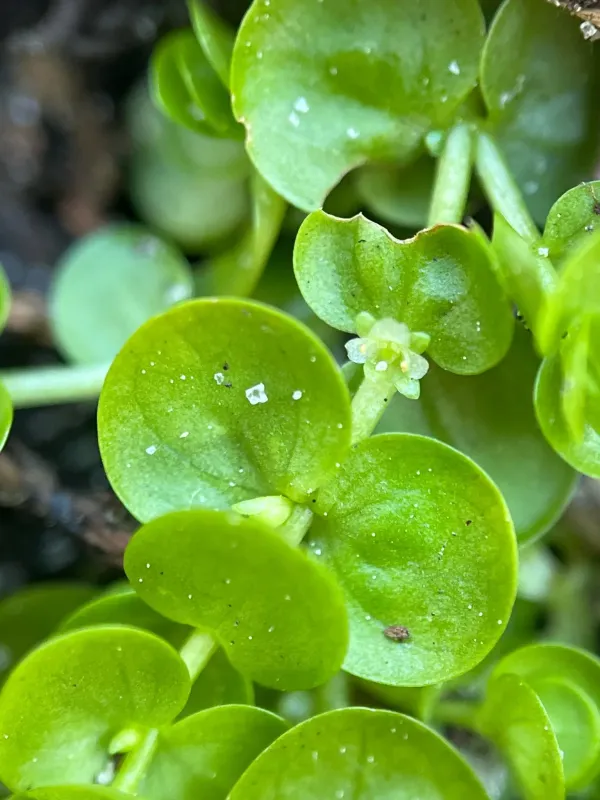
Micranthemum umbrosum, commonly known as the shade mudflower, belongs to the Phrymaceae family. It is a perennial herbaceous plant originating from the tropical regions of North and South America, where it typically inhabits wetlands and riverbanks.
The plant features delicate, creeping stems adorned with small, rounded, light green leaves arranged in pairs. Its high decorative value makes it a popular choice for aquascaping, particularly for mid-ground and foreground coverage in planted tanks.
Successful cultivation requires water temperatures ranging from 20°C to 28°C and a pH level between 6.0 and 7.5. The plant thrives in nutrient-rich substrates and benefits significantly from supplemental CO2 injection to maintain robust growth and vibrant foliage.
Lighting intensity is a crucial factor for Micranthemum umbrosum. To achieve a compact and bushy growth habit, high-intensity lighting (0.5 watts per liter or more) is essential; otherwise, the stems will stretch excessively, becoming leggy and unattractive.
Propagation is primarily achieved through stem cuttings. By trimming off healthy side shoots and replanting them into the substrate, the plant quickly establishes new roots, allowing it to spread and form dense carpets across the aquarium floor.
Main diseases and pests
Algae infestations represent the most significant threat to this species. Because its leaves are delicate, filamentous algae can easily overwhelm the plant, depriving it of essential light and suffocating the stems.
Nutrient deficiencies, specifically regarding iron, are common obstacles. When the plant lacks proper fertilization, its leaves quickly show signs of chlorosis, appearing pale or yellowed, which indicates a serious imbalance in the water column.
Poor water circulation within the aquarium can lead to the accumulation of organic waste on the foliage. This layer of detritus provides a perfect environment for bacterial growth and fungi, which can ultimately cause the plant to decay.
Rapid changes in water chemistry can cause significant stress to the plant, often resulting in leaf drop or total collapse. Stability in environmental parameters is the key to maintaining a healthy and thriving colony.
Frequent pruning is a vital maintenance practice. It not only keeps the plant in a desired shape but also promotes healthy new growth while removing old or damaged stems that could become focal points for infections or decay.