
Micranthemum glomeratum
Micranthemum glomeratum
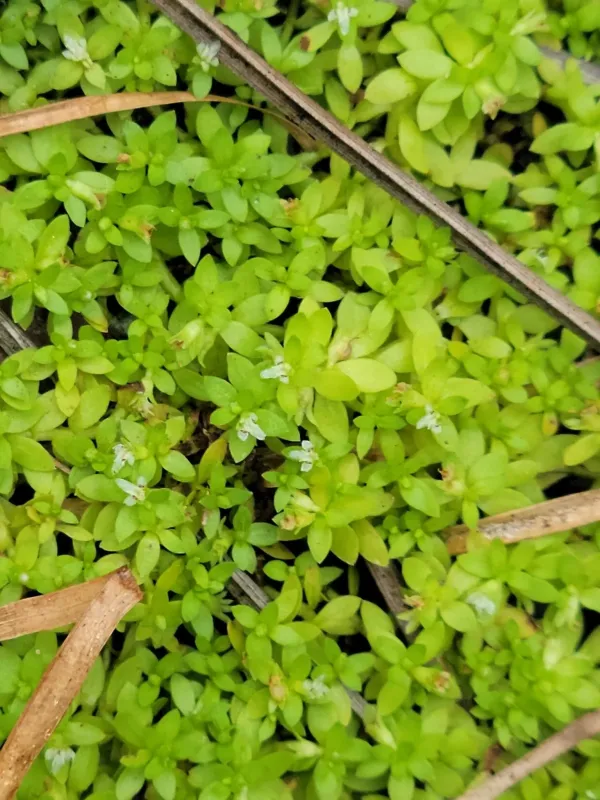
Description
Growing requirements
Micranthemum glomeratum is a delicate aquatic plant belonging to the Phrymaceae family. Native to North America, it thrives in shallow freshwater environments, often forming lush, dense mats in nature.
In an agricultural and aquascaping context, this plant requires high light intensity to maintain its compact growth habit. Without adequate light, the stems become leggy, and the vibrant green color begins to fade significantly.
Optimal conditions for growth include a water temperature between 20°C and 28°C and a neutral to slightly acidic pH level. The supplementation of CO2 is essential for rapid development and to achieve the signature bushy appearance.
Soil requirements involve a nutrient-rich, fine-grained substrate that allows for easy rooting. Regular dosing of liquid fertilizers containing iron and essential trace elements is necessary to prevent chlorosis and support vigorous photosynthesis.
The plant is propagated through stem cuttings, which can be replanted in the substrate. Given its fast-growing nature, periodic pruning is required to prevent the lower leaves from losing light access and dying off.
Main diseases and pests
The most common threat to Micranthemum glomeratum is the infestation of invasive algae, which can easily overgrow the delicate stems. Maintaining a strict balance of nutrients and CO2 is the best defense against such outbreaks.
Nutrient deficiencies, particularly regarding potassium and iron, are frequent causes of stunted growth. If the leaves start to yellow or develop holes, it is a clear indicator that the fertilizer regimen needs adjustment.
Organic waste accumulation in the substrate can lead to root rot, especially in poorly circulated tanks. Ensuring good water movement around the base of the plants helps to oxygenate the root zone and prevent decay.
While not prone to typical insect pests, the plant can be damaged by certain herbivorous aquarium species. Proper quarantine of new plants is recommended to avoid introducing pathogens or unwanted microfauna to the system.
Finally, temperature instability can stress the plant, leading to leaf drop and increased susceptibility to fungal diseases. Maintaining stable water parameters is key to the long-term health and aesthetic appeal of the species.