
Metzgeria conjugata
Metzeria conjugata
Description
Growing requirements
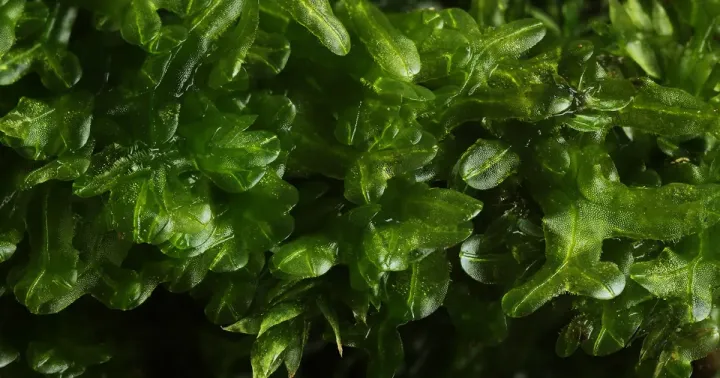
Metzgeria conjugata is a prominent species of thalloid liverwort within the Metzgeriaceae family. Unlike conventional agricultural crops, it is a non-vascular plant that lacks true stems, leaves, and roots, relying instead on a simple thallus structure for nutrient and water absorption.
The plant is widely distributed in temperate regions across the Northern Hemisphere. It thrives in humid and shaded environments, frequently colonizing rocky substrates, moist cliff faces, and the bark of deciduous trees where atmospheric humidity remains consistently high.
The botanical structure of this bryophyte features a distinct midrib with unistratose lamina (wings). Small hairs, known as cilia, are typically found along the margins of the thallus, which aid in water retention and gas exchange in their natural micro-habitats.
As an ecological indicator, Metzgeria conjugata is highly sensitive to air pollution and habitat disturbance. Its presence is often used to assess the health of forest ecosystems, as it requires stable environmental conditions to complete its life cycle.
While the species holds no commercial agricultural value, it serves an essential function in nature. By forming dense mats on damp surfaces, it contributes to moisture retention, reduces substrate erosion, and provides micro-habitats for various microscopic invertebrates.