
Mendoncia puberula
Mendoncia puberula
Description
Growing requirements
Mendoncia puberula is a perennial herbaceous vine belonging to the Acanthaceae family. This species originates from the tropical rainforests of Central and South America, where it thrives in shaded and humid environments.
The plant demands a tropical climate, requiring high relative humidity and constant temperatures. It is highly sensitive to cold spells and frost, which can cause irreversible damage to its sensitive stems and foliage.
For successful growth, a loose, well-draining substrate rich in organic matter is essential. The soil pH should ideally remain between 6.0 and 7.0 to facilitate nutrient uptake in a controlled environment.
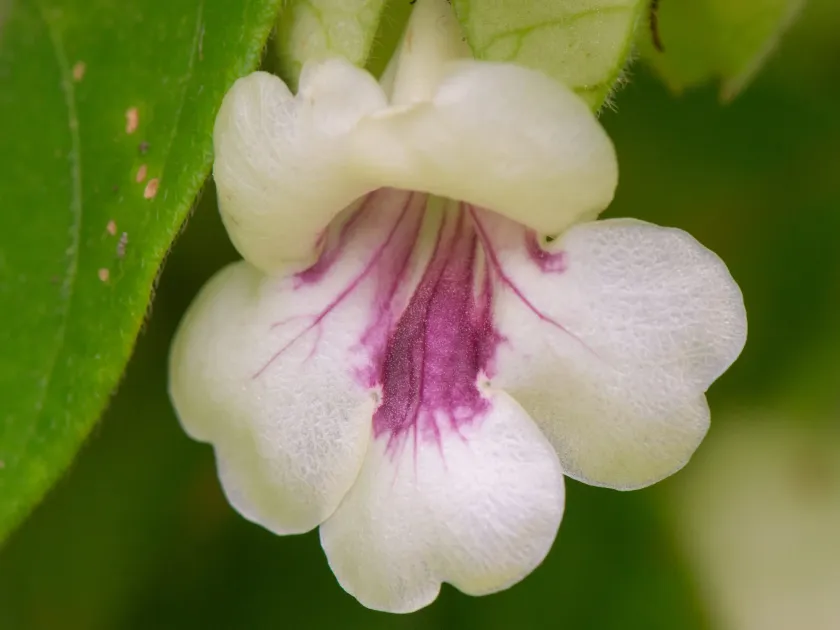
Botanically, Mendoncia puberula is characterized by its puberulent (downy) stems and leaves, which serve as an ecological adaptation. The flowers are typically axillary, featuring a distinct, developed calyx typical of the genus.
Economic and scientific interest in this species lies in its unique morphology and potential secondary metabolites found in its tissues, contributing to the biodiversity studies of the Neotropical region.
Main diseases and pests
Fungal diseases represent a primary threat to Mendoncia puberula, particularly when the cultivation environment lacks adequate ventilation and moisture control.
Insect pests, such as spider mites and mealybugs, frequently colonize the vine in greenhouse settings, causing damage to leaf tissues and inhibiting plant growth.
Integrated pest management strategies should focus on maintaining optimal environmental conditions and implementing early detection protocols to mitigate infestation risks.
Regular sanitation, including the removal of dead or decaying plant material, is crucial to prevent the spread of pathogens within the growing area.
Appropriate chemical or biological control agents should be used sparingly, ensuring compliance with local safety standards for horticultural plants.