
Mendoncia mollis
Mendoncia mollis
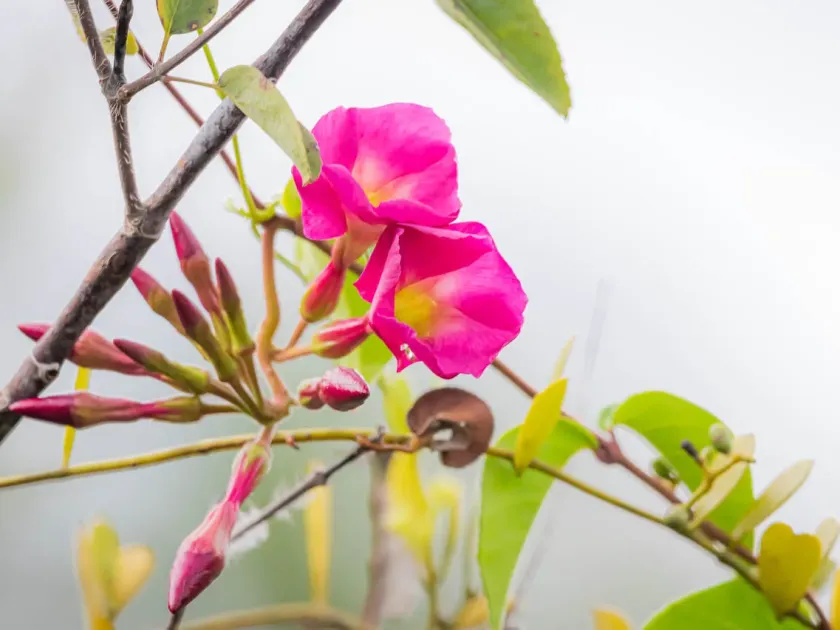
Description
Growing requirements
Mendoncia mollis is a perennial climbing plant belonging to the Acanthaceae family. Characterized by its robust growth habit, it functions as a tropical vine, requiring structural support to develop its full architectural potential in an agricultural or greenhouse setting.
The species originates from the tropical rainforests of Central and South America. Its native range implies an evolutionary adaptation to humid, warm, and stable environments, which are essential for maintaining plant vigor and optimal physiological activity.
Botanically, Mendoncia mollis is distinguished by its soft, pubescent foliage that provides a textured appearance. The floral structure consists of tubular, zygomorphic blooms typical of the Acanthaceae, which serve to attract specific forest pollinators.
Soil requirements focus on well-draining, nutrient-rich organic matter. The plant thrives in substrates that remain consistently moist yet provide ample pore space for oxygen exchange, preventing the asphyxiation of the delicate root system.
Climate requirements include high ambient humidity and temperatures generally ranging between 20°C and 28°C. In cultivation, it is imperative to protect the plant from cold drafts and direct, intense sunlight which can scorch the pubescent leaves.
Main diseases and pests
The most significant threats to Mendoncia mollis include sap-sucking pests such as spider mites and mealybugs. These insects thrive in controlled environments where natural predators are absent, potentially causing severe leaf chlorosis.
Fungal pathogens represent another major risk, particularly under conditions of poor ventilation and excessive substrate moisture. Root rot is a common occurrence if water management protocols are not strictly followed.
Integrated Pest Management (IPM) strategies are highly recommended, prioritizing biological control agents, such as predatory mites, to keep populations of harmful insects below damaging thresholds.
Environmental management is the primary preventative measure against disease; maintaining proper airflow and avoiding leaf surface wetness can significantly inhibit the spread of common fungal spores.
Regular visual inspections and the immediate isolation of infected plants are essential practices to ensure the long-term health and productivity of the crop within the production area.