
Mendoncia aspera
Mendoncia aspera
Description
Growing requirements
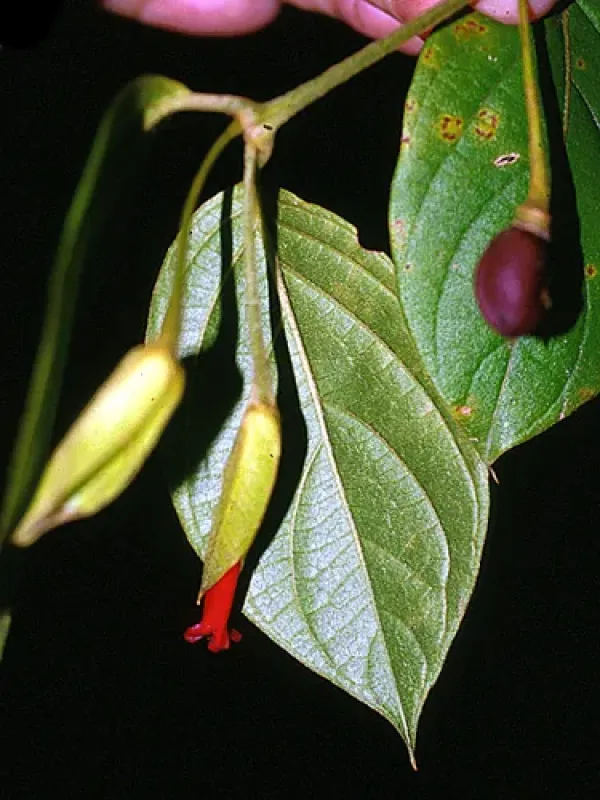
Mendoncia aspera is a perennial woody climber belonging to the Acanthaceae family. It is native to tropical regions where it naturally scales forest trees to access light in the dense understory.
This species requires a warm, humid environment to thrive. It does not tolerate frost or extreme cold, making it suitable for cultivation primarily in tropical climates or specialized greenhouse settings.
The soil must be well-draining, rich in organic matter, and slightly acidic to neutral. High-quality potting mixes or forest-type soils are ideal for ensuring healthy root development and avoiding water stagnation.
Cultivation requires providing the plant with robust structural supports such as trellises or wooden stakes. Without these supports, the plant will struggle to grow upwards and may become susceptible to soil-borne pests.
In terms of usage, Mendoncia aspera is primarily cultivated as an ornamental plant for its interesting foliage and climbing habit, which is highly appreciated in botanical gardens and interior landscaping.
Main diseases and pests
Fungal diseases related to high humidity and poor ventilation represent the most significant threat to Mendoncia aspera in closed cultivation environments.
Common pests like spider mites and mealybugs frequently infest the plant, targeting young foliage and stems, which can weaken the vine over time.
Chlorosis, often caused by nutrient imbalances or poor soil pH regulation, is a common issue that manifests as yellowing leaves and reduced plant vigor.
Integrated pest management, including regular inspection and the use of targeted biological controls, is recommended for maintaining the health of the collection.
Maintaining proper spacing between plants and ensuring adequate airflow are essential practices for preventing the rapid spread of diseases within a nursery setting.