
Montpellier milkvetch
Medicago monspeliaca
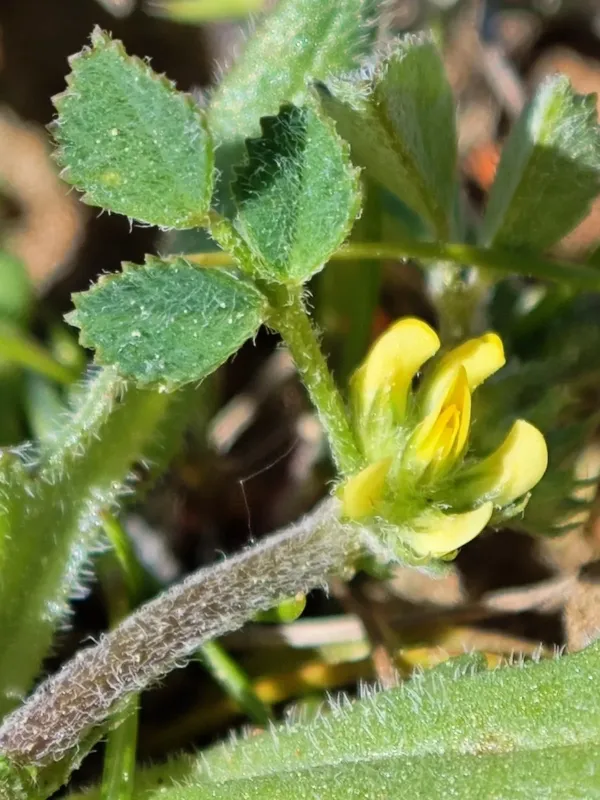
Description
Sowing dates
Montpellier milkvetch seeds show optimal germination rates in soils with temperatures ranging from 8 to 12 degrees Celsius. Early spring planting is recommended to ensure the crop benefits from available soil moisture before the onset of the drier summer months.
The seeding rate varies based on the specific end-use, generally ranging from 10 to 15 kilograms per hectare. Due to the small size of the seeds, they should be sown at a shallow depth of approximately 1–2 centimeters to ensure successful emergence.
Proper seedbed preparation is vital for this legume; the soil should be ploughed and leveled to create a firm surface. Light rolling after planting can improve seed-to-soil contact, which is critical for consistent germination in various soil types.
In arid or semi-arid climates, winter sowing may be practiced, allowing the seeds to undergo natural stratification. This technique often leads to earlier development and increased hardiness against environmental stress during the early vegetative phase.
As a member of the Fabaceae family, it relies on nitrogen-fixing bacteria. Inoculating seeds with specific rhizobia strains before planting can significantly boost plant vigor and promote healthy development in new growing areas.
Growing requirements
This crop thrives in well-drained, sunny locations with light textures, such as sandy or loamy soils. It demonstrates good tolerance for neutral to slightly alkaline pH levels but is highly sensitive to waterlogged conditions and acidic soil profiles.
Montpellier milkvetch is recognized for its drought resistance, which makes it well-adapted to Mediterranean-type climates. Its root system is capable of exploring deeper soil layers, allowing the plant to sustain itself during short-term dry spells.
While the plant has moderate nutritional needs, it performs best when soil phosphorus and potassium levels are adequate. Nitrogen fertilization is rarely required, provided the plant successfully establishes a symbiotic relationship with nitrogen-fixing bacteria.
Competition from weeds poses a significant challenge during the initial weeks of growth. Managing weeds through mechanical cultivation or preventative field management is essential to ensure the crop has access to sufficient sunlight and nutrients.
The plant prefers areas with stable, moderate temperatures during its flowering and pod-setting stages. Extreme heat or sudden late frosts can negatively impact the reproductive success and overall biomass production of the stand.
Main diseases and pests
Powdery mildew is the most common disease affecting the foliage under humid conditions. Poor air circulation and high plant density can create a favorable environment for the pathogen, necessitating careful spacing and canopy management.
Pests such as pea leaf weevils and aphids can cause damage to the roots and succulent shoots. Integrated pest management strategies, including the use of trap crops and natural predators, are preferred over chemical interventions to maintain ecological balance.
Crop rotation is a critical preventive measure to stop the build-up of soil-borne pathogens. Growing the plant in the same field for multiple consecutive years is discouraged due to the increased risk of disease and nutrient depletion.
Weeds should be monitored regularly as they often act as vectors for various plant viruses and secondary infections. Keeping the surrounding area clean significantly improves the overall health and longevity of the milkvetch stand.
Root rot, driven by stagnant water, is a serious threat in poorly drained soils. Selecting the right field site and providing adequate drainage are the primary defense mechanisms against this physiological and pathological threat.
Harvesting
Harvesting for green fodder is optimal at the bud stage, which ensures the highest concentration of crude protein and digestible carbohydrates. Timing this phase correctly is crucial for achieving high-quality forage results.
For seed production, harvesting should take place once the pods reach full maturity and turn brown. This work must be conducted in dry weather to minimize seed shattering losses during mechanical reaping or threshing.
The harvested forage should be dried promptly to preserve nutritional content and prevent spoilage. Modern tedding equipment can assist in uniform drying, resulting in high-quality hay suitable for livestock supplementation during winter.
After harvesting, seeds need cleaning and drying to a moisture content of roughly 12–13 percent. Storing them in a cool, dry, and well-ventilated environment is essential to prevent self-heating and maintain long-term viability.
The post-harvest biomass contributes valuable organic matter and residual nitrogen to the soil, improving fertility for subsequent crops. This makes the plant an excellent candidate for inclusion in sustainable crop rotation systems.