
Indian cucumber-root
Medeola virginiana
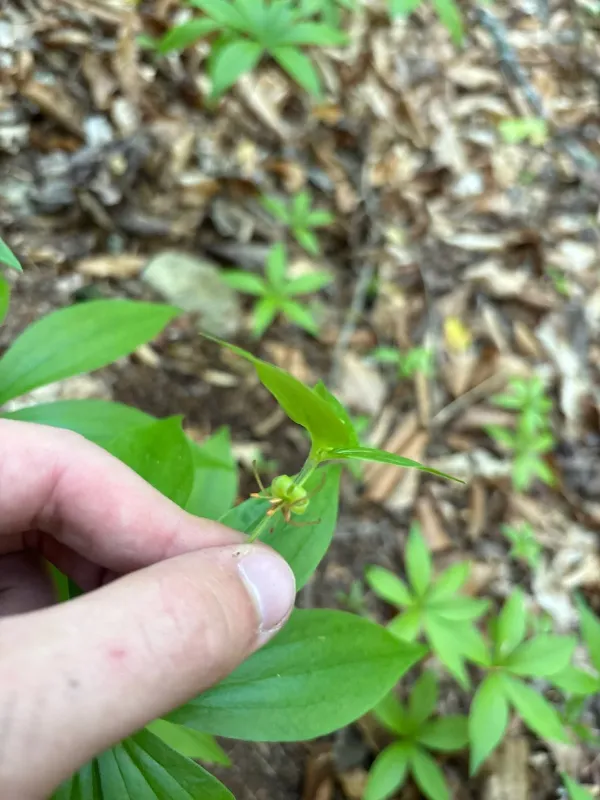
Description
Sowing dates
Medeola virginiana, commonly known as Indian cucumber-root, is a member of the Liliaceae family. It is primarily propagated by seeds, which require specific conditions to germinate successfully in a controlled agricultural environment.
Seeds must undergo a cold stratification period of three to four months to break dormancy. This is best achieved by sowing seeds in autumn and allowing them to endure a natural winter cycle in the ground or in unheated containers.
Germination is often slow and erratic. The planting medium should be a mixture of peat, leaf mold, and sand to ensure adequate moisture retention without waterlogging the sensitive seeds.
Once seedlings emerge, they should be kept in a protected area with dappled light. They develop very slowly and require patience before they can be transplanted to a permanent location.
When moving seedlings to the garden, it is crucial to handle them with extreme care to avoid damaging the delicate, nascent root systems that are vital for the plant's future growth.
Growing requirements
The Indian cucumber-root thrives in environments that mimic its native deciduous forest habitat. It requires acidic to neutral soil, rich in organic matter, and well-drained but consistently moist.
Shade is essential for this plant. It is an understory species, meaning it performs best in partial to full shade, protected from the harsh, direct afternoon sun that can scorch its leaves.
Water requirements are significant; the soil should never be allowed to dry out completely. Mulching with leaf litter or pine needles helps to retain soil moisture and regulate ground temperature.
The plant does not tolerate competition from vigorous weeds. Regular maintenance, such as hand-weeding the planting area, is necessary to ensure the slow-growing Medeola gets sufficient nutrients.
It is cold-hardy and well-adapted to temperate zones, provided the root system is insulated by a layer of organic mulch during the coldest months of the year.
Yield
The primary harvestable part of Medeola virginiana is its crisp, white rhizome, which possesses a flavor reminiscent of a garden cucumber, explaining its common name.
Yields are inherently low due to the species' slow growth cycle. It typically takes three to four years of consistent growth before a plant produces a rhizome of sufficient size to be harvested.
Cultivation should focus on creating optimal soil conditions to maximize the development of the tuberous roots. High-quality forest soil is the most significant factor in yield production.
In a managed setting, gardeners can expect limited output, making it more of a specialty crop for forest gardeners rather than a large-scale commercial agricultural product.
Yield estimation is difficult as the plant spends a significant amount of energy establishing its root system before producing top growth, which is a limiting factor in short-term productivity.
Main diseases and pests
Medeola virginiana is relatively hardy but can suffer from various fungal infections if the planting site is poorly drained or if stagnant water accumulates around the roots.
Root rot is the most common pathology. To mitigate this, ensure the planting beds are elevated or incorporate enough organic amendment to improve overall drainage and soil aeration.
Pests such as wireworms and various soil-dwelling grubs are significant threats, as they directly consume the succulent rhizomes, causing the plant to wither and die prematurely.
Gastropods, including slugs and snails, may target the emerging green shoots in early spring, necessitating preventive measures like copper tape or physical barriers around the planting sites.
- Maintain appropriate soil moisture.
- Improve drainage in heavy soils.
- Monitor for slug damage in spring.
Harvesting
Harvesting should occur in late autumn after the plant's aerial parts have fully senesced, turned yellow, and died back, indicating the plant has entered dormancy.
Carefully use a garden fork to lift the rhizomes from the soil. The roots are brittle and can snap easily, so manual labor is required to extract them intact from the earth.
After excavation, remove any adhering soil and gently wash the rhizomes in cool water. Air-dry them in a shaded, well-ventilated area to prevent rapid degradation or mold growth.
The roots can be stored in a cool, humid environment, such as a root cellar, or in a refrigerator for short-term preservation if they are wrapped to maintain high humidity.
Once harvested, the roots are best consumed quickly as their crisp texture fades if exposed to warm or dry storage conditions for too long.