
Maxillaria valenzuelana
Maxillaria valenzuelana
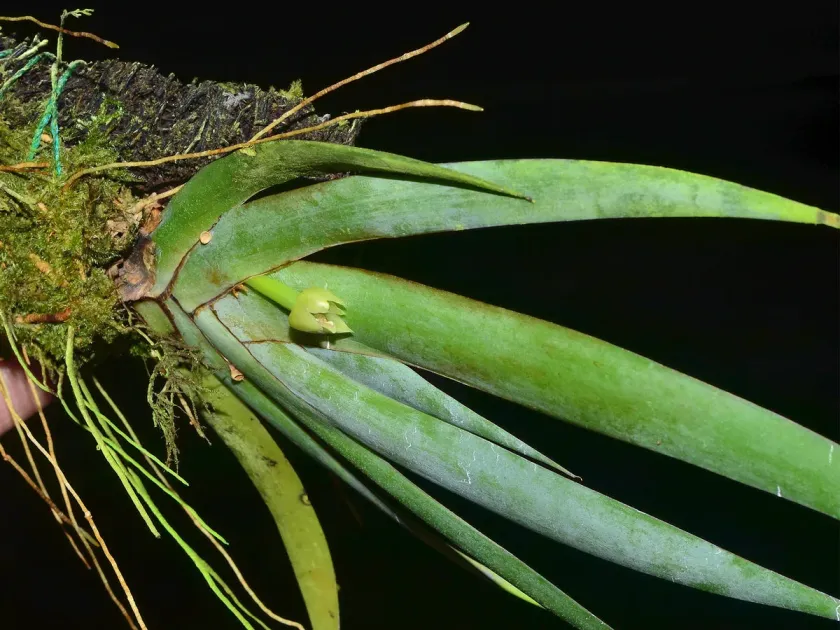
Description
Growing requirements
Maxillaria valenzuelana is a species of orchid belonging to the Orchidaceae family. It is an epiphytic plant that naturally thrives on tree trunks, deriving nutrients and moisture from the humid air and rainfall typical of its native tropical environment.
The plant originates from the tropical regions of Central America, where it grows in dense rainforests. It has evolved to survive in high humidity and warm temperatures, making it a sensitive species when transferred to controlled artificial conditions.
Botanically, this orchid features clustered pseudobulbs that act as storage organs, allowing the plant to retain water during drier spells. Its leaves are usually narrow and leathery, an adaptation to maximize photosynthetic efficiency while minimizing water loss.
To successfully cultivate this species, it is essential to maintain high ambient humidity levels and proper airflow. The plant requires temperatures between 18°C and 25°C, and it should never be allowed to dry out completely for long periods.
The choice of medium is crucial for health. A mixture of pine bark, charcoal, and sphagnum moss provides the necessary aeration and moisture retention. Proper drainage is mandatory to prevent root decay, which is the most common cause of mortality in this species.
Main diseases and pests
The primary threats to Maxillaria valenzuelana include various fungal infections caused by stagnant water in the leaf axils. Ensuring good air circulation and avoiding overhead watering are key preventative measures for any grower.
Pests such as spider mites and scale insects can easily attack stressed plants. Frequent monitoring of the foliage and maintaining a clean environment are essential to prevent outbreaks that could compromise the orchid's growth cycle.