
Evening stock
Matthiola longipetala (Vent.) DC.
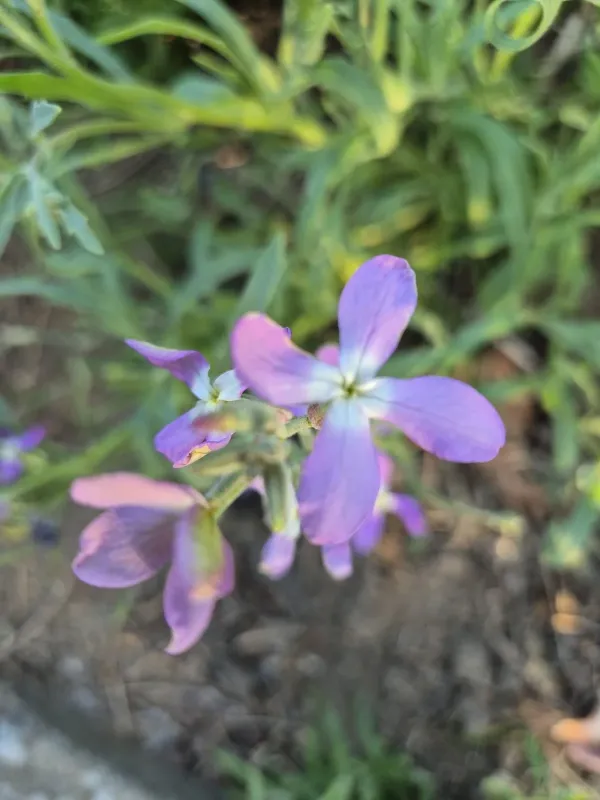
Description
Sowing dates
Matthiola longipetala is a popular annual plant belonging to the Brassicaceae family, valued primarily for its intense evening fragrance.
Sowing should be performed directly into the garden soil as soon as the danger of severe frost has passed in early spring.
The seeds are small and should be sown at a shallow depth of approximately 0.5 cm, then covered lightly with a thin layer of soil or vermiculite.
To ensure a continuous supply of flowers throughout the summer, staggered sowings every two to three weeks are highly recommended.
Spacing is essential for this plant; thinning the seedlings to about 20 cm apart ensures healthy growth and prevents overcrowding.
Growing requirements
The crop thrives in full sun exposure, which is necessary to maximize the production of aromatic essential oils in the flowers.
Well-drained, fertile soil with a neutral pH is ideal for the cultivation of evening stock to avoid root issues.
While the plants are relatively drought-tolerant once established, consistent moisture during the early vegetative stage is crucial.
Excessive humidity or poor air circulation around the plants can lead to structural weakness and increased susceptibility to disease.
Fertilizing with a balanced liquid fertilizer during the peak blooming phase can significantly enhance the quantity and quality of the flowers.
Main diseases and pests
Flea beetles are the most common pests, causing significant damage to the cotyledons and early leaves of the young plants.
Soil-borne diseases such as clubroot are persistent issues in the Brassicaceae family, necessitating strict crop rotation schedules.
Damping-off, caused by various fungal pathogens, often affects seedlings if the soil remains too wet for extended periods.
Preventative measures include using clean, sterilized soil for early sowing and maintaining adequate space between plants to allow airflow.
Regular inspection is advised, and using organic-approved insecticidal soaps can help manage localized pest populations without harming pollinators.