
Matthiola longipetala
Matthiola longipetala (Vent.) DC. subsp. bicornis (Sm.) P. W. Ball
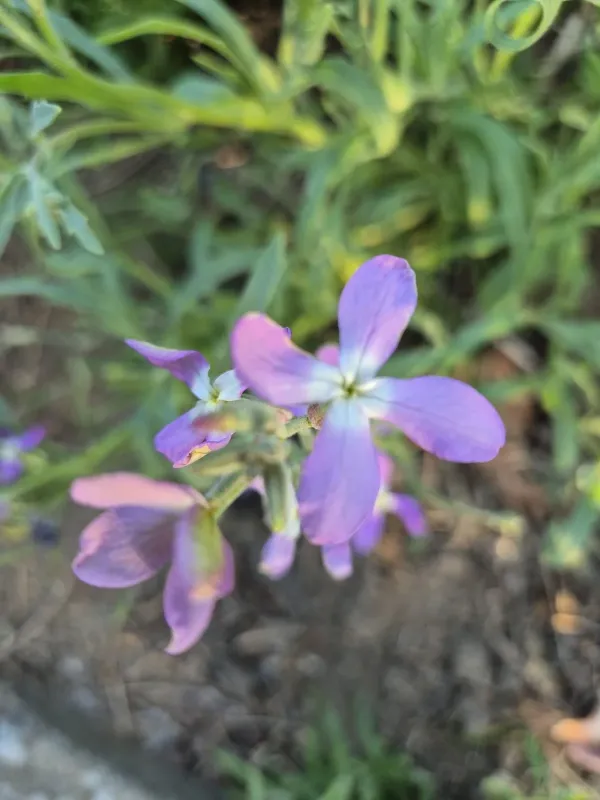
Description
Sowing dates
Matthiola longipetala is a hardy annual that prefers cool weather, so seeds are typically sown directly into the soil in early spring once the ground has thawed.
To ensure a continuous supply of flowers and fragrance throughout the summer, gardeners often utilize successive planting, sowing new seeds every two weeks until June.
The seeds require light to germinate, so they should be sown very shallowly, barely covering them with a thin layer of soil, no more than 0.5 cm deep.
Germination usually takes between 7 to 12 days, depending on environmental temperatures, provided the soil remains consistently moist but not waterlogged.
Once seedlings emerge, thinning them to a spacing of approximately 20 cm is crucial to promote strong stem development and improve airflow among the plants.
Growing requirements
As a member of the Brassicaceae family, this species thrives in full sun, which is essential for stimulating the development of its iconic, intense evening fragrance.
The plant performs best in well-drained, sandy or loamy soils with a neutral pH, avoiding sites where water tends to pool, which could lead to root rot.
Moderate soil fertility is preferred; excessive nitrogen fertilization should be avoided as it promotes leafy growth rather than the desired floral displays.
While the plant is quite resilient to cooler temperatures, it requires consistent watering during dry spells to maintain its vigor and prolong the blooming period.
Providing adequate spacing is vital for plant health, as it helps prevent the microclimate from becoming too humid, which can trigger fungal diseases.
Main diseases and pests
Crucifer flea beetles are the most common pest, often causing significant damage to seedlings by chewing small holes in the foliage during early development.
Damping-off (black leg) is a common fungal threat, particularly in damp, poorly ventilated, or overcrowded conditions, which can quickly wipe out young plantings.
Clubroot is another concern for this family, especially in soils where other cruciferous plants have been grown previously, making rotation an essential practice.
Preventative measures include using insecticidal soaps for pest control and ensuring that the soil is not overly enriched with uncomposted organic matter.
Maintaining clean beds by removing weeds helps reduce the incidence of viral diseases, which are frequently transmitted by aphids attracted to surrounding weeds.