
Stock
Matthiola incana (L.) R. Br.
Description
Sowing dates
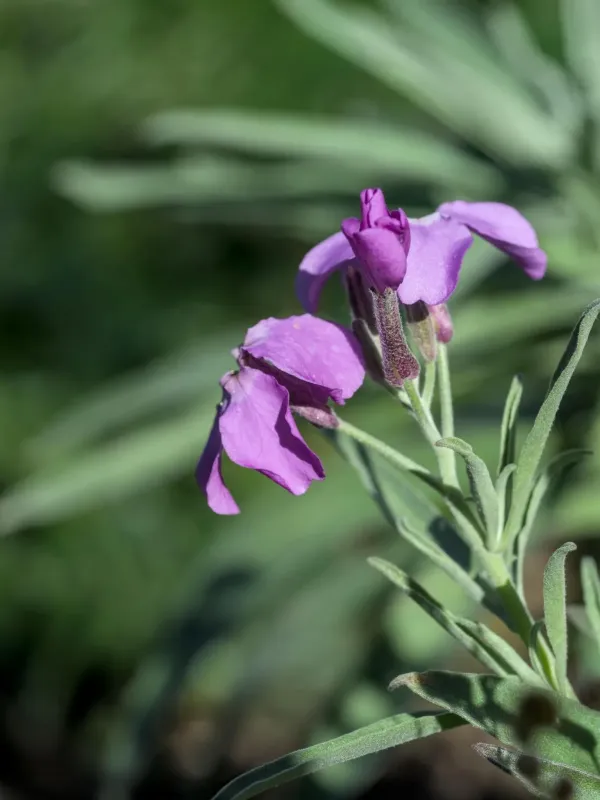
Matthiola incana, commonly known as stock, is a member of the Brassicaceae family, highly valued for its fragrant and vibrant flower spikes.
For professional production, seeds are usually sown in greenhouses during late winter to early spring to ensure early blooms.
The seeds require a well-draining, sterile growing medium to prevent seedling diseases during the initial germination phase.
Light coverage is recommended after sowing, maintaining a temperature range of 18–20 degrees Celsius for optimal germination success.
Once seedlings develop true leaves, they are transplanted into individual pots or cell trays to strengthen their root systems before field planting.
Growing requirements
Stocks thrive in full sun and require fertile, well-draining soil with a neutral to slightly alkaline pH to reach their full potential.
Consistent moisture is essential for the development of uniform flower spikes; however, waterlogging must be avoided to prevent root rot.
Cooler temperatures are preferred by this crop, as excessive heat can cause stunted growth and reduce the quality of the inflorescences.
Balanced fertilization is necessary to support vigorous growth, but nitrogen application should be controlled to avoid overly lush foliage.
Good air circulation is vital, especially when growing in protected environments, to maintain plant health and prevent fungal issues.
Main diseases and pests
Clubroot is a significant threat to Matthiola incana, as it causes severe swelling and decay of the roots in infested soil.
Damping-off, or black leg, is a common issue for young seedlings when humidity levels are too high and ventilation is inadequate.
Flea beetles are the primary insect pests, capable of causing extensive damage to the foliage of young plants in the field.
Aphids can colonize the flower buds, distorting their growth and reducing the aesthetic and commercial value of the flower spikes.
Effective management includes crop rotation, avoiding brassica-family predecessors, and the timely use of approved chemical treatments.
Harvesting
The harvest of flower spikes is best performed when approximately half of the florets are fully open to maximize vase life.
Harvesting is best carried out in the early morning when plant tissues are fully turgid, which helps in better post-harvest performance.
Once cut, stems should be immediately placed in clean, cold water to prevent dehydration during the packing and transport process.
For seed production, the pods must be left to mature until they turn light brown and begin to dry naturally on the stem.
Properly dried seeds should be stored in a cool, dark, and dry environment to ensure high viability for subsequent planting seasons.