
Marojejya insignis
Marojejya insignis
Description
Growing requirements
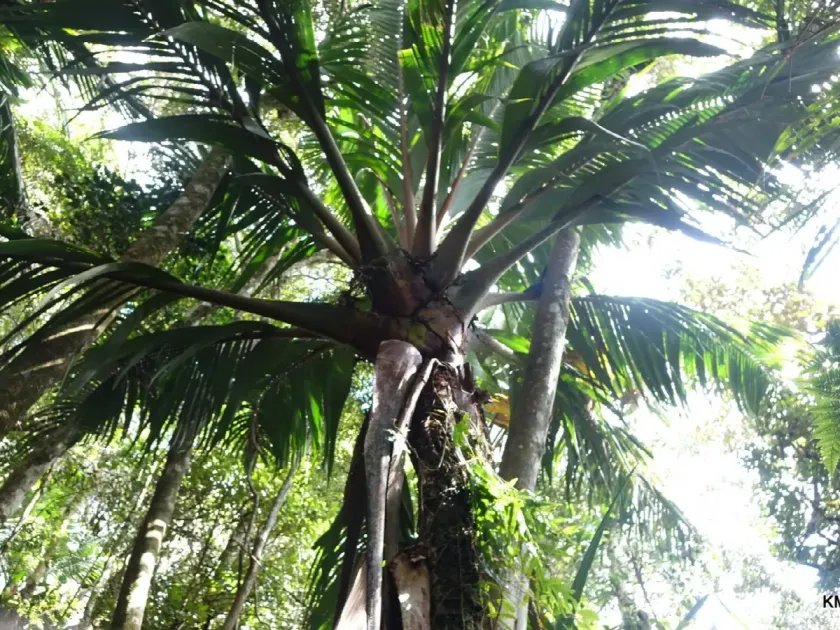
Marojejya insignis is a striking palm species belonging to the Arecaceae family, native to the humid rainforests of Madagascar. As an ornamental and botanical subject, this plant is characterized by its distinct singular stem and large, elegant fronds that provide a tropical aesthetic appeal.
Optimal growth requires a strictly tropical climate with temperatures consistently between 22°C and 28°C. The plant is highly sensitive to cold stress; exposure to temperatures below 15°C can cause metabolic shutdown, stunted growth, and potential mortality of the specimen.
The soil must be rich in organic matter, well-draining, and maintain a slightly acidic to neutral pH level. Proper aeration of the root zone is vital to prevent asphyxiation, which is why coarse substrate components like perlite or pine bark are often incorporated into the planting mix.
Lighting requirements emphasize bright but filtered sunlight. Direct exposure to intense, unfiltered light frequently leads to leaf scorching, especially in juvenile plants, whereas consistent shade results in weak, spindly growth that lacks the necessary structural integrity for the palm.
The economic and practical use of Marojejya insignis is largely niche, focused on botanical conservation and private high-end landscaping. Due to its slow growth cycle and complex ecological requirements, it is not considered a mainstream agricultural commodity but remains a high-value specimen for collectors.
Main diseases and pests
Root rot, primarily caused by waterlogging, stands as the most significant threat to the health of the plant. Pathogens like Pythium or Phytophthora thrive in stagnant moisture, rapidly compromising the root system and necessitating preventative measures such as impeccable drainage control.
Mealybugs and scale insects represent the most common pest threats. These sap-sucking insects shelter in the dense crown and leaf axils, making physical removal difficult and requiring the systematic application of horticultural oils or specialized insecticides to manage infestations effectively.
Spider mites are a persistent danger, particularly in indoor environments where humidity levels fluctuate or drop significantly. These pests cause rapid chlorosis and desiccation of the leaflets, and once established, they can weaken the palm enough to invite secondary infections.
Nutrient deficiencies, particularly involving magnesium and potassium, can occur if fertilization schedules are not strictly aligned with the palm's growth phases. Such deficiencies manifest as distinct chlorotic patterns on the fronds, reducing both the vigor and aesthetic value of the tree.
Sanitation during pruning is critical, as open wounds from leaf removal can become entry points for bacterial or fungal pathogens. Always ensure that cutting tools are sterilized with alcohol or flame-treated between each cut to prevent the transmission of diseases across the collection.