
Marojejya darianii
Marojejya darianii
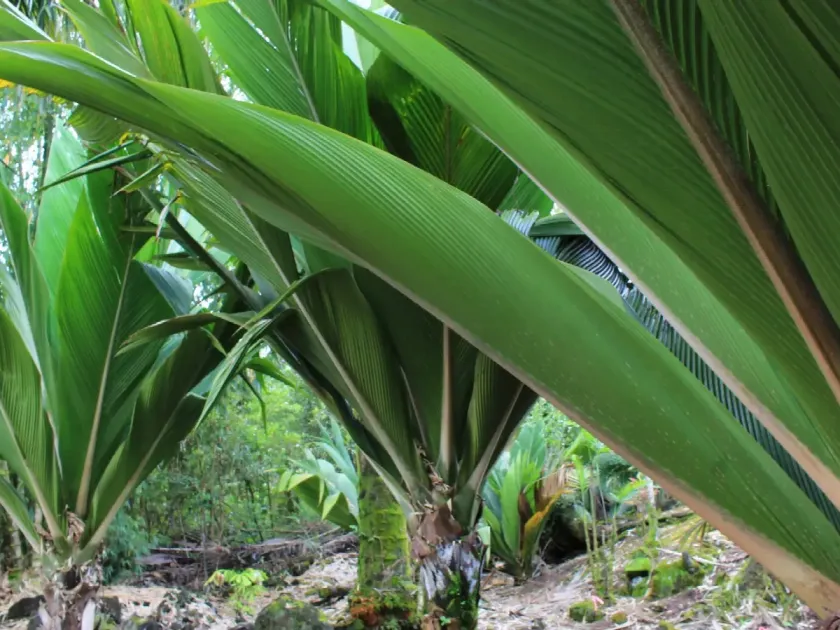
Description
Growing requirements
Marojejya darianii is a distinct palm species belonging to the Arecaceae family. It is endemic to the humid rainforests of the Masoala Peninsula and Marojejy National Park in northeastern Madagascar.
This palm thrives in shaded, high-humidity environments. Cultivation success depends on maintaining stable tropical temperatures, usually between 22°C and 28°C, with protection from direct, intense sunlight.
The substrate must be well-draining, rich in organic matter, and slightly acidic. It mimics the nutrient-dense forest floor conditions found in its native mountain habitats.
Due to its slow growth rate, maintenance is minimal but requires consistency. Watering should ensure that the soil remains moist but never saturated, as the roots are prone to rot if stagnant water persists.
The primary utility of this plant is conservation and scientific study. It is highly sought after by botanical gardens and private collectors aiming to preserve rare genetic material from Madagascar.
Main diseases and pests
The primary threat to the natural population of Marojejya darianii is habitat loss due to deforestation, illegal logging, and land conversion for agriculture in Madagascar.
When grown in indoor or greenhouse settings, spider mites represent the most common pest, especially if ambient air humidity drops below recommended levels.
Fungal pathogens causing root and crown rot are a significant risk, typically triggered by improper drainage or excessive watering during cooler periods.
To prevent disease, it is essential to monitor leaf health regularly and ensure that the growing environment has adequate ventilation to avoid moisture accumulation.
Nutrient deficiencies, particularly involving micronutrients like magnesium or manganese, can occasionally cause leaf yellowing, necessitating the use of specialized palm fertilizers.