
Marlothistella uniondalensis
Marlothistella uniondalensis
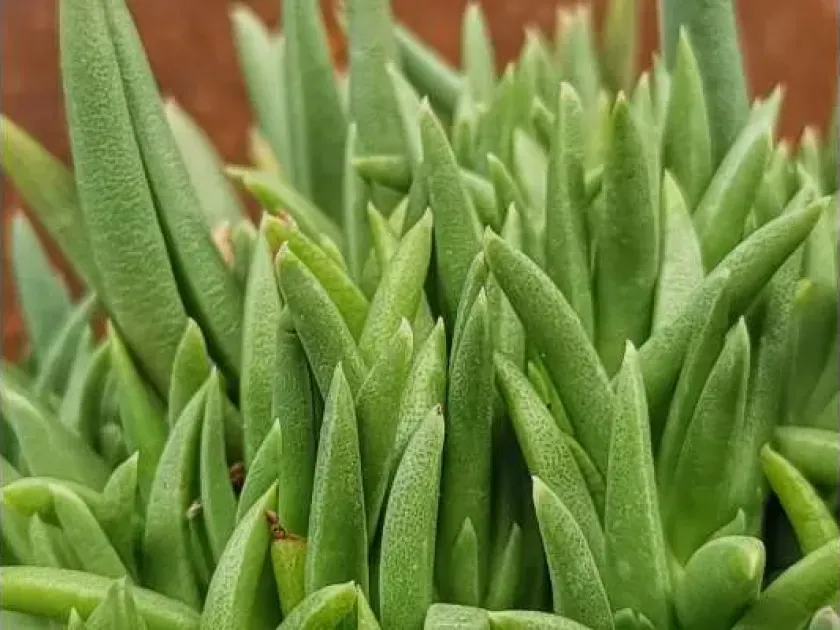
Description
Growing requirements
Marlothistella uniondalensis is a distinct succulent belonging to the Aizoaceae family, native to the arid landscapes of South Africa, specifically around the Uniondale area. This species is highly specialized for surviving in harsh, water-scarce environments.
The plant features succulent, fleshy leaves arranged in compact rosettes. These leaves have evolved to retain water efficiently, which is the primary survival mechanism for this species in its natural habitat of rocky crevices and sandy plains.
Cultivation requires a well-draining mineral-based substrate. A mixture of pumice, coarse sand, and a small amount of potting soil is ideal to ensure that the root system does not remain damp for extended periods, preventing rot.
Temperature and light are critical for the health of Marlothistella. It thrives in high-light conditions, including full sun exposure in greenhouse environments, and prefers temperatures ranging between 20°C and 25°C during its active growing season.
During winter, the plant undergoes a dormant phase. During this period, it should be kept in a cool, dry place with temperatures around 10°C to 12°C. This cycle is essential for maintaining the plant's health and triggering future flowering.
Main diseases and pests
The most common threat to Marlothistella uniondalensis is root rot, typically caused by overwatering or poor drainage. Once the roots begin to decay, the succulent can collapse rapidly, making early detection and prevention vital.
Mealybugs are the primary pest concern. These insects often hide in the crevices between the succulent leaves, sucking the plant's sap and weakening its structural integrity. Regular monitoring of the foliage is necessary to detect infestation.
Spider mites can become an issue in environments with low humidity and high heat. They create tiny webs and cause discolouration on the leaf surfaces, which significantly reduces the plant's aesthetic appeal and vigor.
Chemical control should be approached with caution. Systemic insecticides are effective against mealybugs, but they must be applied at the correct concentration to avoid damaging the succulent's delicate epidermis.
To ensure long-term plant health, maintain excellent air circulation around the collection. Keeping the growing area clean and removing any dead foliage will significantly decrease the likelihood of fungal outbreaks and pest colonization.