
Margaritaria indica
Margaritaria indica
Description
Growing requirements
Margaritaria indica is a tree species belonging to the family Phyllanthaceae. It is native to the tropical regions of South and Southeast Asia, where it typically thrives in humid environments ranging from lowland forests to coastal transition zones.
The plant requires deep, well-drained, and nutrient-rich soils to thrive in agricultural or semi-cultivated settings. It is sensitive to waterlogging, so soil aeration is a critical component of successful site preparation for this tropical crop.
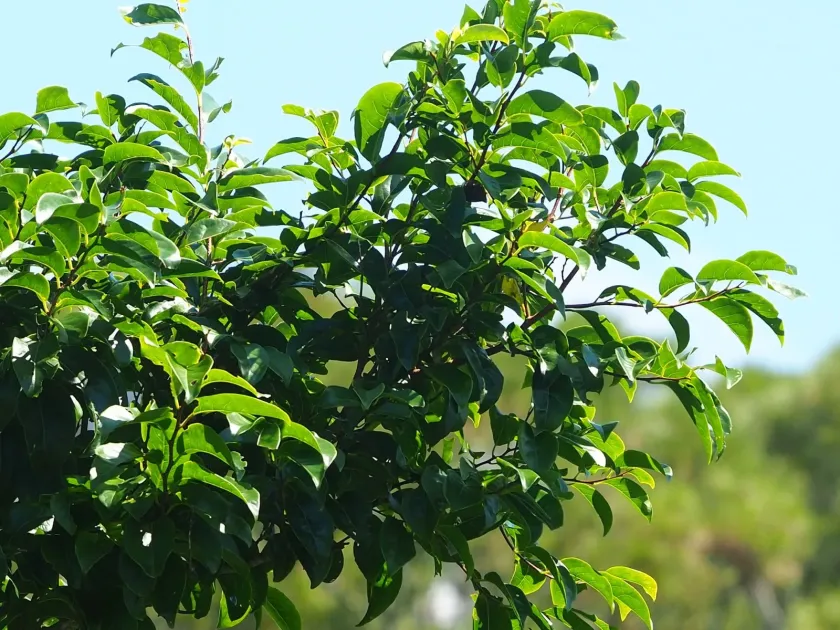
Botanically, this species is recognized by its evergreen habit and distinct fruit structure. The leaves are simple and arranged alternately along the branches, providing significant canopy cover. The reproductive cycle is adapted to the tropical rhythm of rain and drought.
Climatic requirements are strict: the plant needs consistent warmth and high humidity. While it can withstand temporary dry spells, optimal growth occurs in areas with high annual rainfall, ensuring the soil moisture content remains relatively stable throughout the year.
In terms of хозяйственное (economic) use, various parts of the tree are utilized for medicinal purposes within local traditions. Furthermore, the wood is sometimes used for small-scale construction or carpentry, making it a versatile species for agroforestry initiatives.
Main diseases and pests
The species is susceptible to root rot, particularly if cultivated in heavy or poorly drained soils that encourage fungal pathogens. Common pests include various sap-sucking insects like mealybugs and whiteflies, which require constant monitoring to prevent major outbreaks.