
Margaritaria discoidea
Margaritaria discoidea
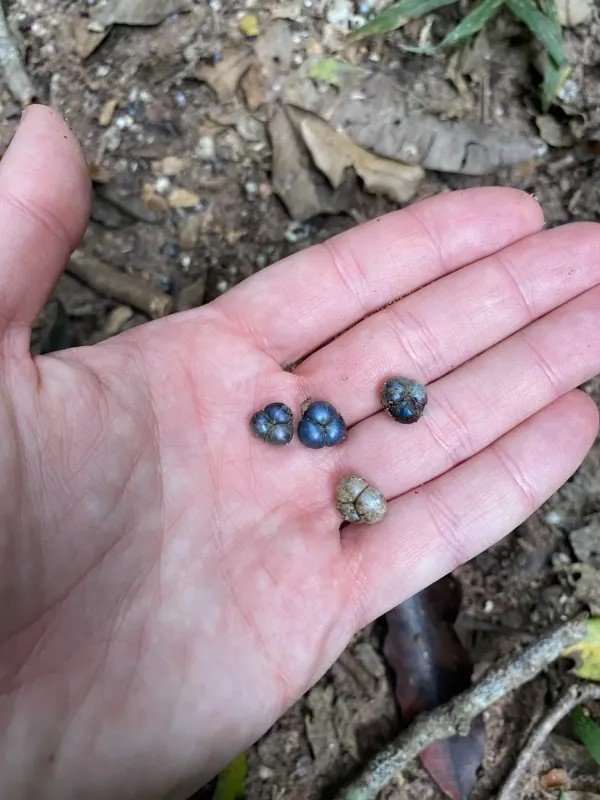
Description
Growing requirements
Margaritaria discoidea is a prominent tree species belonging to the Phyllanthaceae family. Known for its rapid growth and adaptability, it is a significant component of tropical forest ecosystems across sub-Saharan Africa.
The species is highly versatile regarding its habitat, thriving in various environments from lowland rainforests to savannah woodlands. It demonstrates a high level of resilience, growing successfully at altitudes ranging from near sea level up to 2000 meters.
For optimal growth, Margaritaria discoidea prefers deep, well-drained soils. While it can withstand moderate dry spells, its development is significantly accelerated when provided with consistent moisture during the early establishment phase.
Light management is crucial for the cultivation of this species. As a sun-loving plant, especially in its juvenile stages, it requires adequate access to sunlight to develop a straight trunk and a healthy, dense crown structure.
Good agricultural practice involves keeping the area around young trees free of invasive grasses and weeds. This minimizes competition for water and nutrients, allowing the saplings to establish a robust root system more quickly.
Yield
The economic and practical utility of Margaritaria discoidea is extensive. Its timber is highly regarded for its hardness, durability, and resistance to termites, making it a preferred choice for building construction and rural agricultural tools.
Beyond its timber, the species is an essential resource in traditional medicine. Various parts of the tree, particularly the bark, are processed and used locally to treat a variety of ailments, ranging from digestive disorders to skin infections.
In agroforestry systems, the tree is invaluable for soil stabilization. Its deep and expansive root system acts as a natural anchor, preventing soil erosion on steep slopes and preserving the integrity of agricultural land.
The tree serves as a beneficial source of biomass, with leaf litter contributing to soil nutrient cycling. This improves the fertility of the surrounding soil, which often supports the growth of other agricultural crops in mixed-use systems.
Margaritaria discoidea also functions as an important ecological component, providing habitat and forage for pollinators. This contributes to the overall health and biodiversity of the ecosystem where it is cultivated.
Main diseases and pests
Plantations of Margaritaria discoidea face primary threats from fungal infections that can damage the bark and wood, particularly if planting density is too high and airflow between trees is restricted, leading to high humidity.
Pest management is another concern, as stem-boring insects can significantly impact the quality of the timber. Regular health checks and silvicultural practices such as thinning are necessary to prevent widespread infestations.
Over-harvesting poses a major threat to natural populations. Implementing sustainable forest management plans is essential to ensure that the demand for its valuable wood does not lead to the exhaustion of wild stocks.
In newly established stands, competition from faster-growing invasive plant species can hinder the development of young saplings. Proactive vegetation management is required to maintain the viability of the planting site.
Fluctuating climate patterns, particularly prolonged and severe droughts, present a risk to juvenile trees that have not yet developed deep root systems. Providing irrigation during these critical stages can significantly improve survival rates.