
Marattia douglasii
Marattia douglasii
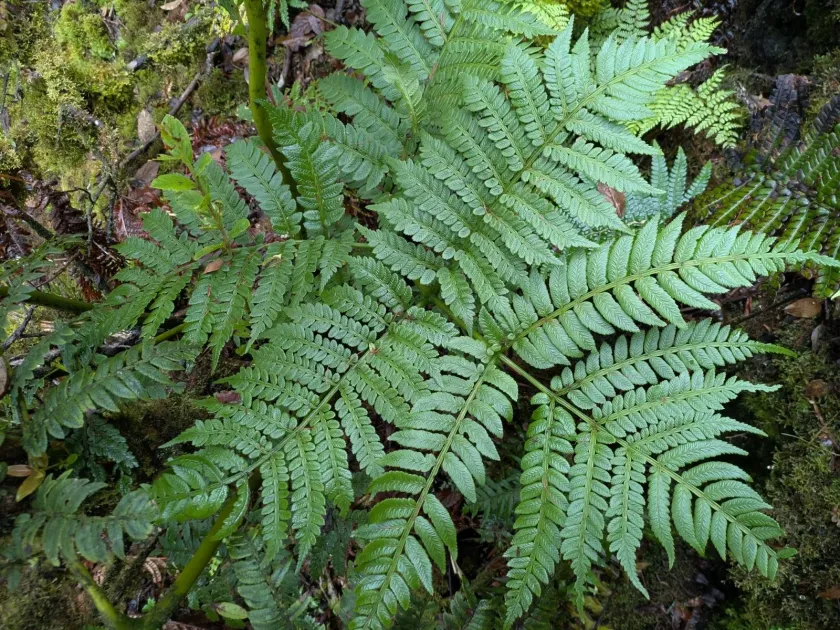
Description
Growing requirements
Marattia douglasii is a robust fern species belonging to the Marattiaceae family. Native to the Hawaiian Islands, this plant is traditionally found in dense, moist forest environments where it thrives under the canopy.
Agricultural success with this species depends on maintaining a high-humidity environment. Ideally, relative humidity should stay consistently between 70% and 80%, necessitating misting systems or controlled greenhouse settings to prevent dehydration.
The soil profile for Marattia douglasii requires high organic matter content. A suitable substrate should be well-draining, slightly acidic, and rich in humus, often comprised of peat moss, perlite, and decomposed wood particles to mimic forest floor conditions.
Temperature management is critical; the plant performs best in a range of 18°C to 25°C. It is highly sensitive to thermal shocks, which can cause severe physiological stress and leaf drop. Stable temperatures are essential for healthy growth.
Regarding light, Marattia douglasii requires filtered or indirect lighting. High-intensity light exposure is detrimental to the fronds, leading to rapid chlorosis and tissue necrosis. Positioning the plants in shaded greenhouse zones is recommended.
Main diseases and pests
Common pests affecting Marattia douglasii include scale insects and mealybugs, which tend to congregate near the base of the fronds. Regular manual inspection and the application of horticultural oils can effectively manage these populations.
Root rot remains the primary pathological threat, typically induced by poor substrate drainage or excessive irrigation frequency. Ensuring proper aeration of the root ball is vital to prevent anaerobic conditions that favor fungal pathogens.
Fungal leaf spot diseases can emerge if air circulation is stagnant. Implementing oscillating fans within the growing area helps maintain airflow, which dries excess moisture on foliage and reduces the incidence of pathogen colonization.
Soil-borne nematodes are another potential risk, especially when using non-pasteurized organic components. Using professional-grade, sterilized media is a key agronomic practice to mitigate this threat during the establishment phase.
Early diagnosis of health issues is facilitated by observing changes in frond color and turgidity. Prompt removal of infected tissue and sanitation of the surrounding area are essential to prevent the spread of diseases within the cultivation block.