
Sour cherry
Prunus cerasus L.
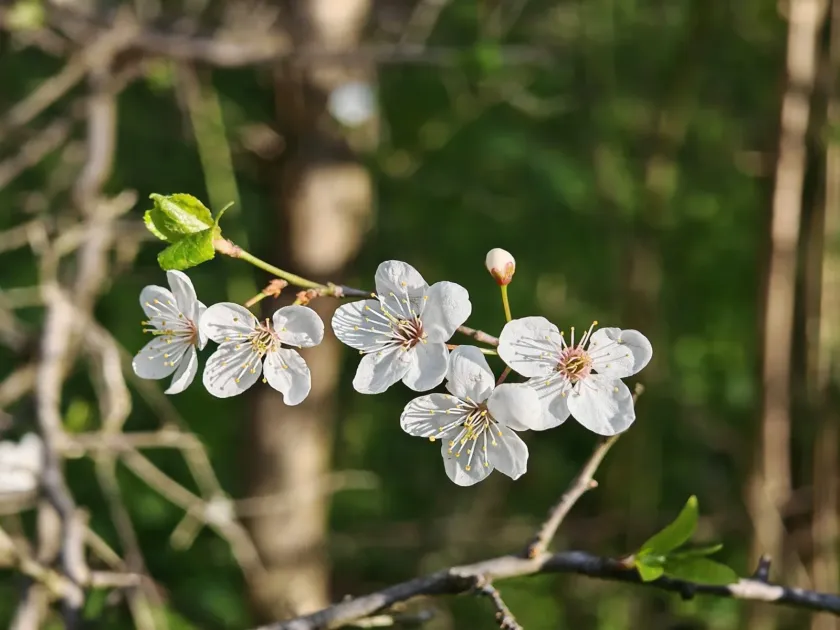
Description
Growing requirements
Sour cherry (Prunus cerasus L.) is a prominent member of the Rosaceae family, widely cultivated in temperate regions for its culinary and nutritional value. This deciduous tree or shrub is valued for its hardiness and ability to thrive in various soil types provided they are well-drained.
The crop requires sites with abundant sunlight and protection from strong winds to ensure optimal photosynthesis and fruit development. Soil acidity should be near neutral, and the ground must be free from waterlogging to prevent root diseases, which the species is particularly susceptible to.
Climate plays a crucial role in sour cherry production, as the trees require a specific period of winter chilling to break dormancy. Once this requirement is met, the trees initiate blooming, which must be protected from late spring frosts to avoid catastrophic flower loss.
Agrotechnical practices involve systematic pruning to maintain an open canopy structure, allowing light penetration and air circulation. Regular fertilization, based on soil testing and annual nutrient removal, is essential to sustain tree health and promote consistent fruit production over the lifespan of the orchard.
Host usage of sour cherries is diverse, ranging from fresh market consumption to large-scale processing into jams, juices, and frozen products. Its unique balance of acidity and sugar makes it a preferred cultivar for the food industry and home-based preserves alike.
Main diseases and pests
The most significant threats to sour cherry orchards are fungal diseases like coccomycosis and brown rot (monilinia). These pathogens can cause defoliation and flower death, often triggered by prolonged humid weather conditions during the growing season.
Pest management focuses on controlling the cherry fruit fly and various aphid species. Aphids can lead to leaf curl and reduced vigor, while the fruit fly larvae directly impact the marketability of the fruit by burrowing into the cherries.
Integrated Pest Management (IPM) strategies are utilized to manage threats efficiently. This includes monitoring populations, using pheromone traps, and applying targeted chemical or biological treatments only when thresholds are exceeded to maintain orchard biodiversity.
Sanitation is a critical component of disease prevention, requiring the removal of deadwood, fallen leaves, and infected fruit from the orchard floor. Such measures significantly reduce the inoculum load for the upcoming season, decreasing the need for heavy pesticide usage.
Regular orchard inspections ensure early detection of any physiological stress or infection. By maintaining overall tree vigor through proper irrigation and nutrition, growers can enhance the innate resistance of the sour cherry plants to minor pest and disease outbreaks.
Harvesting
Harvesting sour cherries is traditionally a labor-intensive operation due to the delicate nature of the fruit. Mechanical harvesting is increasingly used for large-scale production intended for the processing industry, while hand-picking is reserved for high-quality fresh fruit.
Timing the harvest is vital to ensure peak sugar levels and proper fruit color development. Once picked, cherries should be moved immediately into cold storage or processing facilities to maintain quality and minimize post-harvest physiological degradation.