
Marantochloa cuspidata
Marantochloa cuspidata
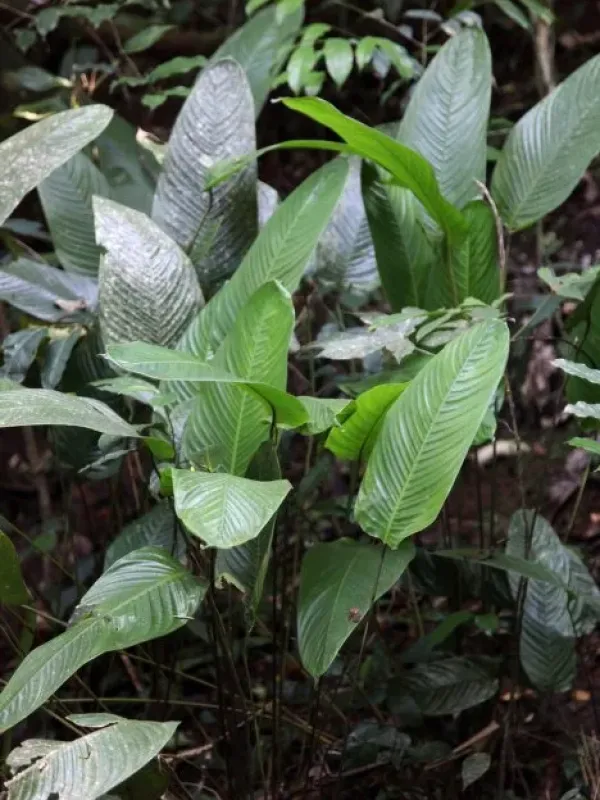
Description
Growing requirements
Marantochloa cuspidata is a robust perennial herb belonging to the Marantaceae family. Native to tropical regions of West and Central Africa, it typically grows in humid lowland forests, riverbanks, and swampy areas where organic-rich soil is abundant.
The plant thrives in shaded environments, making it a classic understory species. It requires consistently high ambient temperatures and a high level of air humidity to maintain the turgor of its large, lanceolate leaves, which are its most valuable morphological characteristic.
Soil requirements focus on moisture retention and fertility. While the plant can adapt to various soil textures, it performs best in deep, well-draining soils that stay damp throughout the year. It does not tolerate prolonged dry spells or severe desiccation of the root zone.
Agricultural management of this crop involves maintaining appropriate shading levels to prevent leaf scorching. In wild-harvest systems, management is often limited to selective clearing of invasive species around the Marantochloa patches to promote denser growth.
Propagation is primarily vegetative, utilizing rhizome division. This method is preferred by farmers because it ensures faster establishment and genetic consistency, allowing for reliable yields of the high-quality leaf material required for traditional markets.
Harvesting
The primary economic output of Marantochloa cuspidata is its leaves. These are highly prized for their strength, size, and flexibility, serving as traditional, biodegradable food wrappers, particularly in West African culinary practices for steaming dishes.
Harvesting is performed manually, selecting mature leaves that have reached sufficient structural integrity. Workers carefully prune the leaves from the main stem, ensuring the rhizome and central growing point remain undamaged to allow for continuous production.
In addition to the leaves, the stems of the plant are utilized in local handicrafts. Due to their durable fiber content, they are woven into baskets, mats, and cordage, showcasing the plant's multifaceted role in the local economy and traditional lifestyle.
Post-harvest preparation often involves a brief thermal treatment, such as wilting the leaves over a fire. This simple process makes the leaf blades more pliable and less prone to tearing, which is essential when wrapping products for cooking or storage.
Sustainable harvesting cycles are crucial for long-term viability. By rotating harvesting areas and avoiding over-exploitation of individual clumps, farmers can ensure that the Marantochloa beds remain productive for many years without the need for intensive synthetic fertilizers.