
Arrowroot
Maranta arundinacea L.
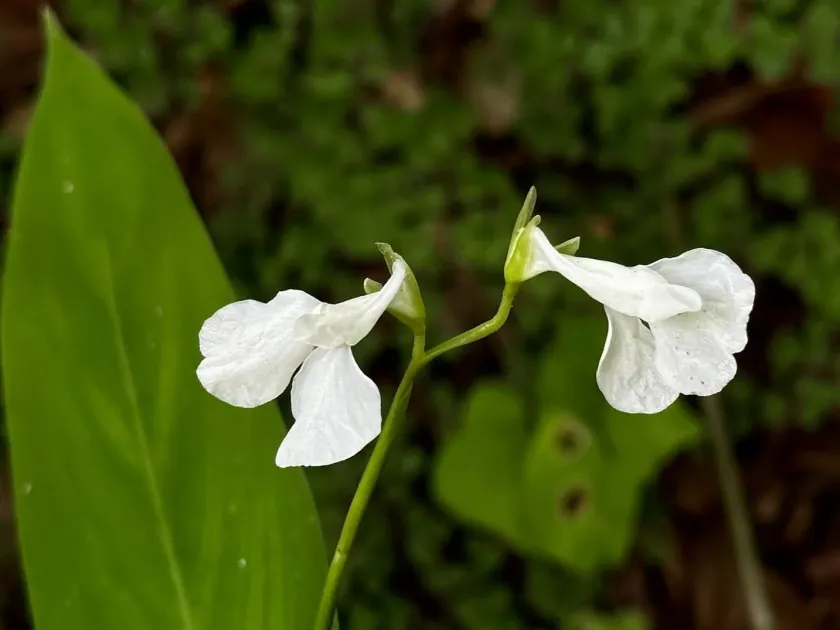
Description
Sowing dates
Arrowroot (Maranta arundinacea L.) is a perennial herbaceous plant belonging to the Marantaceae family. It is primarily cultivated for its starchy rhizomes, which are harvested to produce a high-quality, easily digestible starch.
Propagation is exclusively vegetative, using selected sections of healthy rhizomes. Planting is typically scheduled at the beginning of the rainy season when soil temperatures are consistently above 20 degrees Celsius.
The planting material should be free from diseases and mechanical damage to ensure uniform growth. Rhizomes are planted at a shallow depth of approximately 5 to 10 centimeters in loose, well-tilled soil.
During the early growth stages, the crop requires careful field management, particularly weed control. As the plants establish their root system, they become more robust against environmental pressures.
Proper spacing is crucial for maximizing yield; overcrowding can lead to poor development of the tubers. The crop cycles are usually determined by the length of the rainy period in tropical regions.
Growing requirements
As a tropical crop, Arrowroot thrives in warm climates with temperatures ranging from 22 to 30 degrees Celsius. It is highly sensitive to cold temperatures, which can halt development and damage the roots.
The plant requires deep, fertile, and well-drained loam soils to support the healthy expansion of its rhizomes. Waterlogging is a significant threat to this crop, as it quickly leads to root rot and loss of starch quality.
High relative humidity is beneficial for growth. While the plant can tolerate partial shade, it is most productive in full sunlight, which encourages more vigorous development of the underground starch stores.
Consistent moisture is essential during the active growing season. Irrigation is necessary in areas with prolonged dry spells to ensure that the rhizomes reach their full potential weight.
Organic fertilization is highly recommended to improve soil structure and nutrient availability. Phosphorus and potassium are key nutrients that facilitate the development of high-quality tubers.
Yield
Yields of fresh rhizomes typically range between 10 to 20 metric tons per hectare depending on agricultural inputs and environmental conditions. The recovery rate of starch from the fresh mass is generally between 15% and 20%.
The extracted starch is highly prized for its unique thickening properties, low allergenicity, and ease of digestion. It is a staple ingredient in the production of baby foods, dietetic products, and high-quality sauces.
Beyond starch extraction, the byproduct of the milling process is rich in fibers and can be repurposed for animal feed. This circular approach helps improve the overall economic viability of Arrowroot farming.
Market demand remains steady due to the specialized use of Arrowroot starch in the pharmaceutical industry for tablet binders and in cosmetics for high-end powders and skin products.
Successful commercial production relies heavily on the efficiency of the processing facility. Since raw tubers are perishable, immediate processing after harvest is essential to ensure a top-tier end product.
Main diseases and pests
The most common threat to Arrowroot plantations is fungal infection, particularly root rot caused by pathogens like Fusarium. These thrive in poorly drained soils and can devastate the yield.
Root-knot nematodes are among the most serious agricultural pests affecting this crop. They infest the rhizomes, significantly reducing the quantity and quality of the starch-producing tubers.
Pests like aphids and spider mites can attack the leaves, especially during drier weather. While these rarely cause total crop failure, they do weaken the plant, leading to reduced tuber development.
Weed management is a critical ongoing task during the first three to four months. Weeds compete for nutrients and light, which can substantially delay the maturation and decrease the final harvest volume.
Integrated Pest Management (IPM) practices, such as crop rotation and the use of clean planting materials, are the most effective ways to mitigate the risk of disease and ensure sustainable production.
Harvesting
Harvesting usually takes place between 9 and 12 months after planting, once the leaves begin to yellow and wither. This natural dormancy is the best indicator that the tubers have reached peak starch content.
Rhizomes are carefully lifted from the soil to avoid wounding. Mechanical harvesting equipment must be calibrated precisely to minimize bruising, as damaged rhizomes are prone to rapid spoilage.
After excavation, the rhizomes are washed thoroughly to remove soil and debris. Prompt processing is required to prevent the enzymatic breakdown of the starch and to ensure the product remains bright and pure.
The processing involves grinding the tubers into a fine mash, followed by washing and filtering the starch through screens. The resulting starch milk is then allowed to settle and is eventually dried.
The final dried starch is packed under controlled conditions to maintain its moisture content and shelf life. A clean, white, and odorless powder is the hallmark of a high-quality industrial product.