
Maniltoa lenticellata
Maniltoa lenticellata
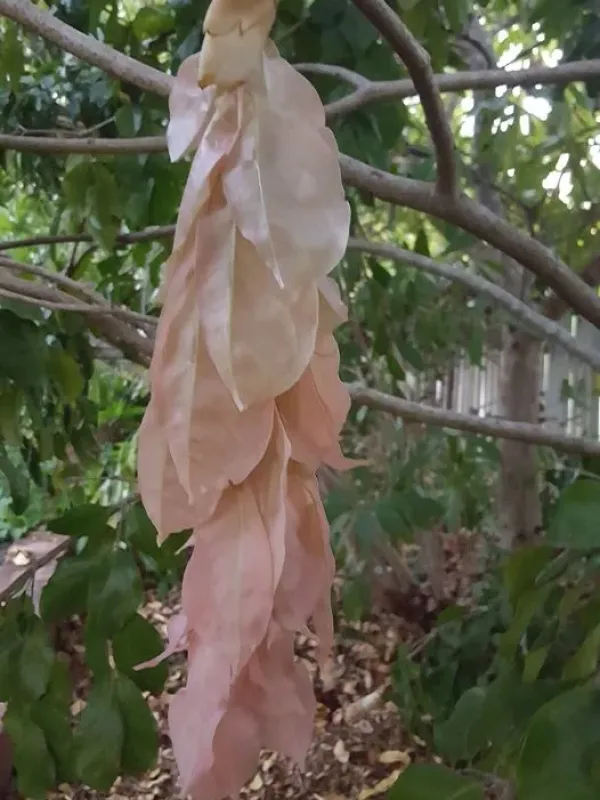
Description
Growing requirements
Maniltoa lenticellata is a distinguished member of the Fabaceae family. This evergreen tree is widely recognized for its stunning foliage, where new leaves often emerge in soft, drooping clusters before hardening into a vibrant green color.
Native to the tropical regions of Southeast Asia and Australia, this species thrives in environments characterized by consistently high humidity and warm temperatures. It is not adapted to frost and requires a stable tropical or subtropical climate.
Optimal growth is achieved in deep, fertile, and well-drained soils. While it appreciates moisture, it is sensitive to waterlogged conditions, which can lead to rapid root decline. Proper site preparation with organic matter is highly recommended.
The tree prefers bright, filtered sunlight but can tolerate partial shade in its juvenile stages. Protection from strong, drying winds is essential to prevent leaf scorch and maintain the overall health of the canopy structure.
In landscaping, it serves as a magnificent specimen tree. Its wood is dense and durable, which has historically made it a subject of interest for local forestry uses, though its primary modern value lies in park and garden ornamentation.
Main diseases and pests
The tree is susceptible to fungal infections, particularly those affecting the root system in poorly drained soil. Phytophthora species and other soil-borne pathogens can cause significant damage if the drainage is not managed correctly.
Pest pressures often include sap-sucking insects such as aphids and scale insects, which prefer the tender growth of new leaf flushes. These pests can cause distorted foliage and serve as vectors for secondary bacterial infections.
Leaf spot diseases can become problematic during prolonged wet seasons. Maintaining good airflow around the tree by proper spacing is a critical cultural practice for reducing the incidence of foliage diseases.
Stem borers may occasionally attack the bark of stressed or weak trees. Regular monitoring for holes or frass on the trunk can help identify infestations before they cause irreversible structural damage to the tree.
Integrated pest management strategies should focus on preventive measures. This includes avoiding overhead irrigation in the evenings and ensuring that the base of the trunk remains free of debris and excess mulch.