
Maniltoa grandiflora
Maniltoa grandiflora
Description
Growing requirements
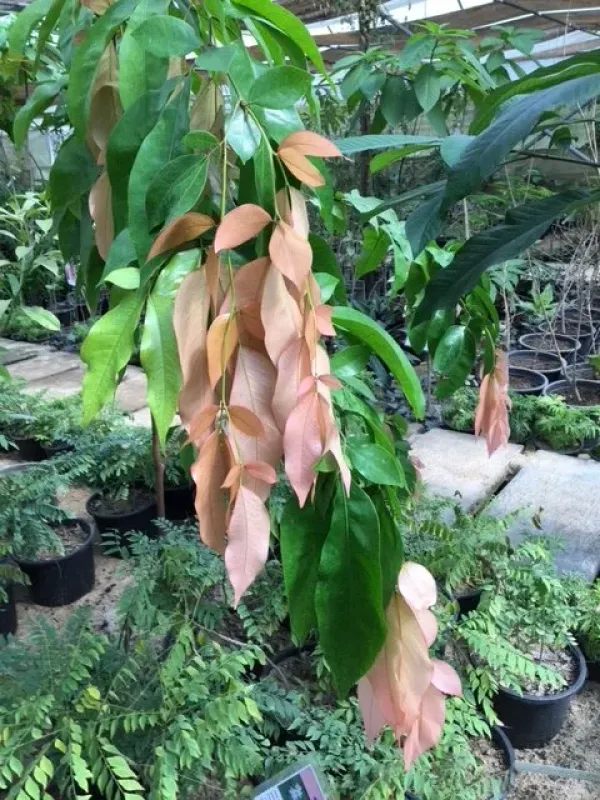
Maniltoa grandiflora is a distinct tree species belonging to the Fabaceae family. Native to the tropical regions of Southeast Asia, this plant is highly prized in landscape architecture for its stunning foliage cycle, where new leaves emerge in pendulous, cream-white clusters.
The cultural requirements for this plant are strict regarding climate stability. It thrives exclusively in tropical environments where the temperature remains consistently warm, ideally between 20°C and 30°C throughout the year, with zero tolerance for frost.
Regarding soil preference, the tree requires a well-drained, nutrient-rich substrate. A slightly acidic to neutral pH level is optimal for nutrient uptake. In container or field settings, preventing soil compaction is essential for healthy root development.
Hydration is a critical aspect of maintenance. Maniltoa grandiflora performs best under conditions of high humidity. Regular misting or proximity to water features can significantly improve the growth rate and overall vitality of the canopy.
Annual maintenance involves light pruning to shape the tree and promote denser branching. Using high-quality organic mulch around the base helps retain soil moisture and suppresses weeds, which could otherwise compete with the tree's root system.
Main diseases and pests
The primary threat to Maniltoa grandiflora is root rot caused by poor soil drainage. If the root zone remains waterlogged for extended periods, the tree becomes highly susceptible to opportunistic fungal infections that can lead to rapid decline.
Insect pests, including mealybugs and spider mites, are known to target the succulent young leaves of the tree. Implementing an integrated pest management strategy, including the use of neem oil or targeted systemic insecticides, is recommended for effective long-term control.