
Manilkara fasciculata
Manilkara fasciculata
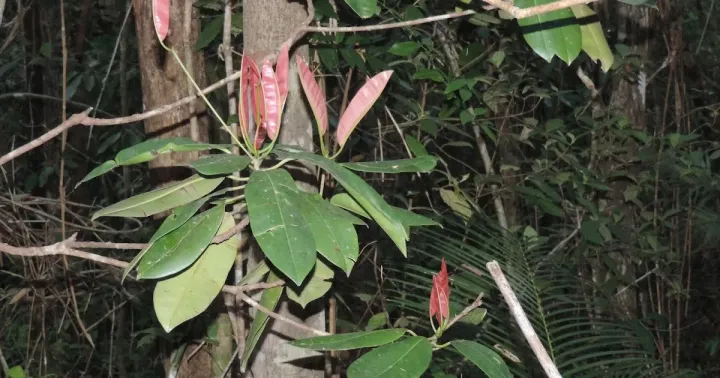
Description
Growing requirements
Manilkara fasciculata is a distinct tree species belonging to the Sapotaceae family. Naturally occurring in Southeast Asia, particularly within the Philippines, this species is highly regarded for its ecological contribution to tropical rainforests and its valuable timber.
The species thrives in warm, humid tropical environments. It requires nutrient-rich, deep, and well-drained soils to support its steady growth pattern. Water availability is crucial, as the tree exhibits sensitivity to prolonged drought periods during its juvenile development stages.
Botanically, it is characterized by dense, hardwood properties and a robust architecture. The leaves are typically evergreen, designed to maximize photosynthesis in high-temperature, light-saturated environments typical of its native range.
Cultivation practices involve site selection with adequate rainfall and soil fertility. Silvicultural management focuses on protecting saplings from encroachment by invasive vegetation to ensure successful establishment in the canopy layer.
Economically, the wood of Manilkara fasciculata is prized for its high density and durability. It is frequently utilized in high-quality construction projects, furniture making, and local artisan crafts due to its ability to resist decay and mechanical stress.
Main diseases and pests
Fungal pathogens represent the most significant threat to the tree's health, particularly when the tree is exposed to high humidity and poor soil aeration.
Various wood-boring insects can compromise the internal structure of the trunk, significantly reducing the viability and timber quality of mature trees.
Habitat loss due to land-use change and deforestation remains the most critical external threat to the long-term survival of natural populations.
Competition from fast-growing pioneer plant species can suppress the growth of young trees, hindering their ability to reach the forest canopy.
Climate instability, including irregular rainfall patterns, poses risks to the natural reproductive cycles, limiting the successful germination and survival of seedlings.