
Magydaris pastinacea
Magydaris pastinacea
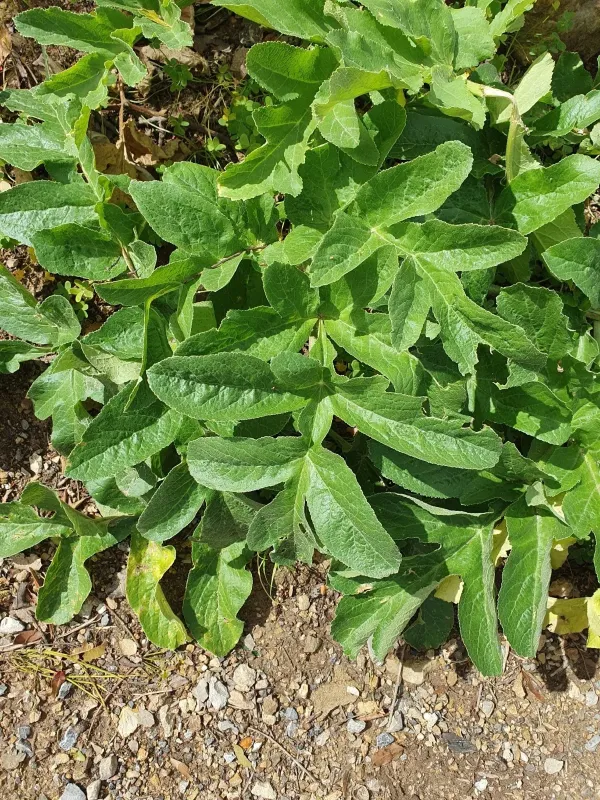
Description
Sowing dates
Magydaris pastinacea is a perennial herbaceous plant belonging to the Apiaceae family. It is recognized for its unique structural features and typical umbrella-shaped inflorescences.
Sowing should ideally take place in early spring or autumn. Since seeds require stratification, early preparation of the sowing material is crucial for successful germination rates.
For optimal growth, seeds should be placed in well-drained soil at a shallow depth of approximately 1-2 cm. Maintaining consistent spacing between plants helps prevent overcrowding and nutrient competition.
Seedlings develop relatively slowly in the first few weeks, requiring constant monitoring. Removing weeds during this early stage is essential to ensure the crop has enough space to establish its root system.
Regular irrigation is vital after sowing to ensure the soil remains consistently moist until the seedlings are strong enough to withstand minor drought periods.
Growing requirements
This plant thrives in sunny locations with light, fertile, and well-aerated soils. It is particularly sensitive to soil compaction, which can hinder the development of its specialized root system.
Magydaris pastinacea is well-adapted to Mediterranean-type climates, requiring moderate temperatures and adequate moisture during the active vegetative growth phase.
The soil pH should remain close to neutral. Adding organic compost before planting provides the necessary nutrients for the plant to reach its full development potential.
Adequate sunlight is a critical requirement. Shaded areas often result in stunted growth and a significant reduction in the plant's biological activity and chemical composition.
Efficient drainage is a top priority, as stagnant water can lead to root rot, which is one of the most common issues encountered when growing this species in heavy soils.
Main diseases and pests
Fungal pathogens such as powdery mildew can affect the leaves during seasons of high humidity and poor ventilation within the plantation.
Insect pests, including various aphids and carrot flies, represent a constant threat. These pests typically attack young shoots and foliage, causing structural damage to the plants.
Implementing a rigorous crop rotation plan is the most effective way to prevent the build-up of soil-borne diseases that could jeopardize future harvests.
Biological controls, such as beneficial predatory insects, should be prioritized over broad-spectrum pesticides to preserve the environmental health of the field.
Regular inspection of the crop allows for early detection of disease outbreaks, enabling localized management that prevents the spread of pathogens across the entire plot.