
Magydaris panacifolia
Magydaris panacifolia
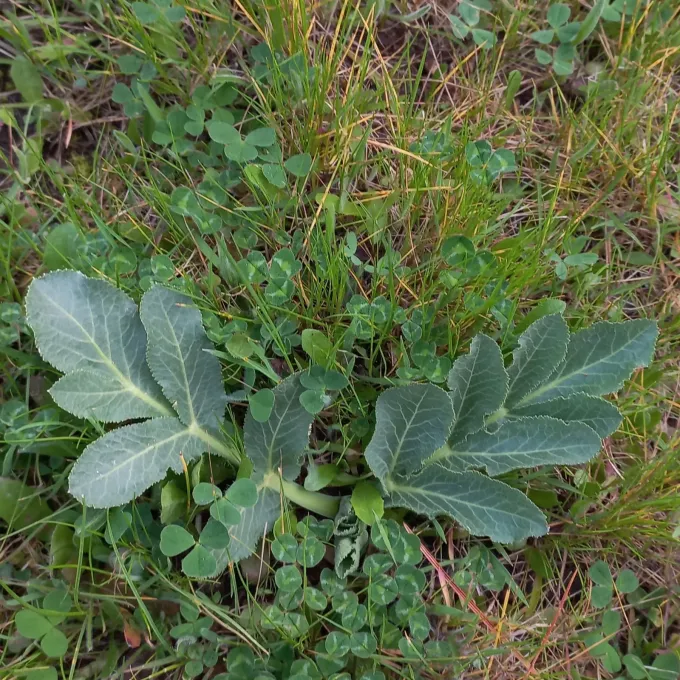
Description
Growing requirements
Magydaris panacifolia is a perennial herb belonging to the Apiaceae family, native to the Mediterranean region. It is recognized for its robust growth habit and architectural foliage, often found in habitats with rocky, well-draining limestone soils.
The plant features pinnately compound leaves and large compound umbels, which are characteristic of its botanical family. Its growth cycle is adapted to survive seasonal drought, relying on a deeply penetrating root system to access groundwater.
Climatic requirements demand plenty of direct sunlight and exposure to warm temperatures throughout the active growing season. While the species is somewhat drought-tolerant once established, it prefers consistent moisture levels during the early spring development phase.
Cultivation should prioritize soil quality, specifically focusing on drainage. Any water-logging will inevitably lead to root rot; therefore, planting on raised beds or slopes is highly recommended in agricultural settings to manage soil water saturation levels.
Economic potential lies in the extraction of specialized essential oils for pharmaceutical and cosmetic applications. While not a mainstream staple crop, its value resides in its resilience and potential to thrive in marginal lands where traditional crops struggle.
Main diseases and pests
The primary threat to this crop includes various fungal pathogens, such as root rot species triggered by poor drainage. These pathogens can wipe out entire plots if the environmental conditions remain too moist for an extended period.
Insect pests, particularly aphids and larvae of lepidopteran species, frequently feed on the soft umbels and buds. This herbivory can lead to significant yield losses when the objective is seed production or oil harvesting from floral parts.
Powdery mildew represents a common challenge in greenhouse environments or in locations with high humidity and stagnant air. Regular monitoring of the underside of leaves for early signs of mycelium growth is a crucial diagnostic step.
Management practices should include integrated pest management (IPM) strategies to avoid over-reliance on chemical inputs. Biological controls can be effective against aphid populations when introduced at the early stages of infestation.
Maintaining a clean field environment by removing dead plant debris at the end of the season helps reduce the overwintering population of pests and fungal spores, significantly decreasing the pressure for the following planting cycle.