
Magnolia tamaulipana
Magnolia tamaulipana
Description
Growing requirements
Magnolia tamaulipana is a distinct species belonging to the Magnoliaceae family. Native to the cloud forests of northeastern Mexico, particularly within the states of Tamaulipas and Queretaro, this species is noted for its beauty and ecological significance.
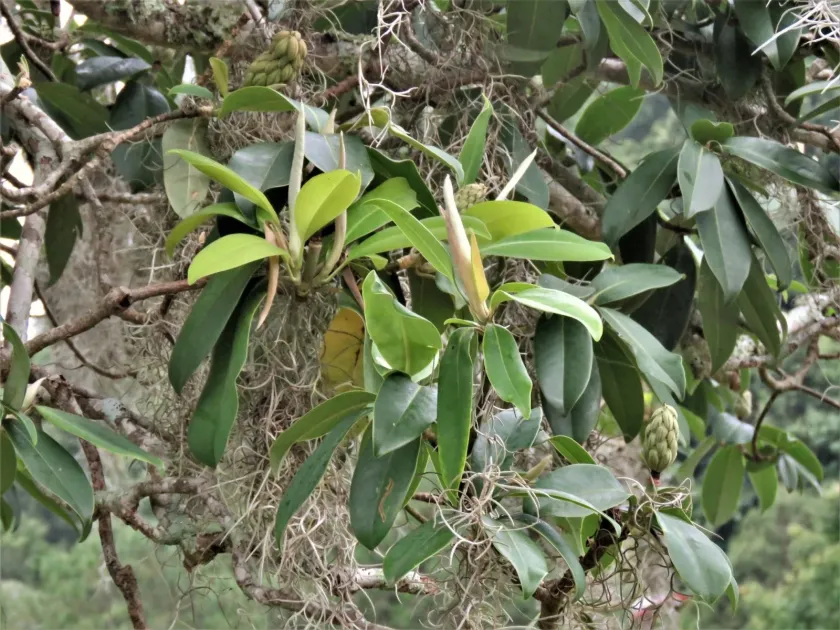
Botanically, it is characterized by its broad leaves and large, fragrant flowers typical of the genus. As an evergreen or semi-evergreen tree, it serves as a prominent canopy or understory species in its natural mountainous habitat.
Requirements for cultivation include a sheltered location with high humidity and protection from harsh weather. It thrives in well-drained, nutrient-rich soils that are slightly acidic, mirroring the conditions found in its native temperate forest ecosystem.
A successful horticultural approach involves consistent moisture management, as the tree is intolerant to prolonged drought. Adequate mulching is recommended to stabilize root temperatures and retain moisture during the warmer months of the year.
The primary use of Magnolia tamaulipana is in botanical collections and high-end landscaping, where its unique aesthetics make it a prized specimen. It continues to be a subject of interest for conservationists due to its limited distribution.
Main diseases and pests
Major threats include habitat loss and fragmentation in its native Mexican range. In cultivated settings, the species may be susceptible to fungal pathogens if air circulation is poor or if the soil becomes waterlogged.
Common pests that affect this species include scale insects and spider mites, particularly when the plant is under stress. Integrated pest management, including regular inspections and the application of horticultural oils, is essential for maintaining plant vigor.