
Sumatran magnolia
Magnolia sumatrana
Description
Growing requirements
Sumatran magnolia (Magnolia sumatrana) is an evergreen tree species belonging to the Magnoliaceae family. Native to the tropical rainforests of Southeast Asia, specifically Sumatra and Kalimantan, this plant thrives in warm and humid environments.
The species requires a climate characterized by high temperatures and consistent rainfall throughout the year. It is highly sensitive to frost, making it suitable only for tropical or strictly controlled greenhouse conditions.
Optimal growth is achieved in deep, nutrient-rich soils that possess excellent drainage properties. The plant prefers slightly acidic soil conditions, which facilitate the efficient uptake of essential micro and macronutrients.
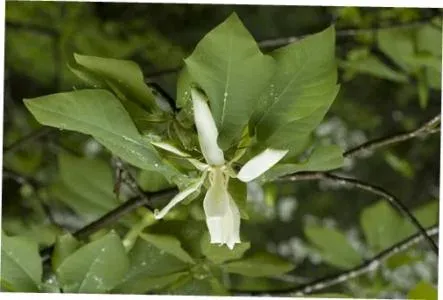
Botanically, the Sumatran magnolia is distinguished by its large, leathery, evergreen leaves and fragrant flowers. It serves as a canopy-level tree in its natural habitat, playing a crucial role in local forest biodiversity.
Agricultural techniques for this species include maintaining high soil humidity and providing light shading for seedlings. Proper management of canopy spacing is essential to ensure that individual trees have enough room to develop their full crown potential.
Yield
Sumatran magnolia has significant economic importance, particularly in the timber industry. Its wood is highly valued for its durability and structural integrity, making it ideal for high-quality furniture and construction.
The flowers and leaves contain essential oils that are prized in the perfume industry. These extracts are distilled to produce high-value natural ingredients used in luxury fragrances and aromatherapy products.
The yield of raw materials depends heavily on the plantation management system and the age of the trees. Mature trees can provide a continuous supply of biomass if harvested according to sustainable silvicultural practices.
Harvesting strategies involve careful pruning of the branches and flower collection to ensure the long-term health of the plantation. Sustainable harvesting methods are critical to maintaining the productivity of the site.
Developing plantations of Sumatran magnolia offers a unique opportunity to combine long-term timber production with short-term extraction of aromatic compounds, maximizing the economic efficiency of the land.
Main diseases and pests
The primary threats to Sumatran magnolia plantations are fungal pathogens that flourish in high-humidity conditions. Proper plantation design, which encourages airflow, is the most effective preventative measure against such diseases.
Pests, particularly leaf-eating insects and scale insects, can negatively impact tree growth and overall health. Integrated pest management strategies should be employed to control infestations without damaging the local ecosystem.
Root rot, resulting from poor soil drainage, poses a significant risk to the longevity of the trees. Regular inspections of the root zone and the installation of effective drainage systems are vital components of maintenance.
Environmental stressors related to sudden fluctuations in humidity can lead to physiological stress in the trees, making them more susceptible to secondary infections. Monitoring plant response is key to proactive management.
Maintaining high hygiene standards in the plantation, such as cleaning tools between operations and removing dead biomass, significantly reduces the risk of outbreaks and ensures the overall vigor of the crop.