
Sargent's Magnolia
Magnolia sargentiana
Description
Growing requirements
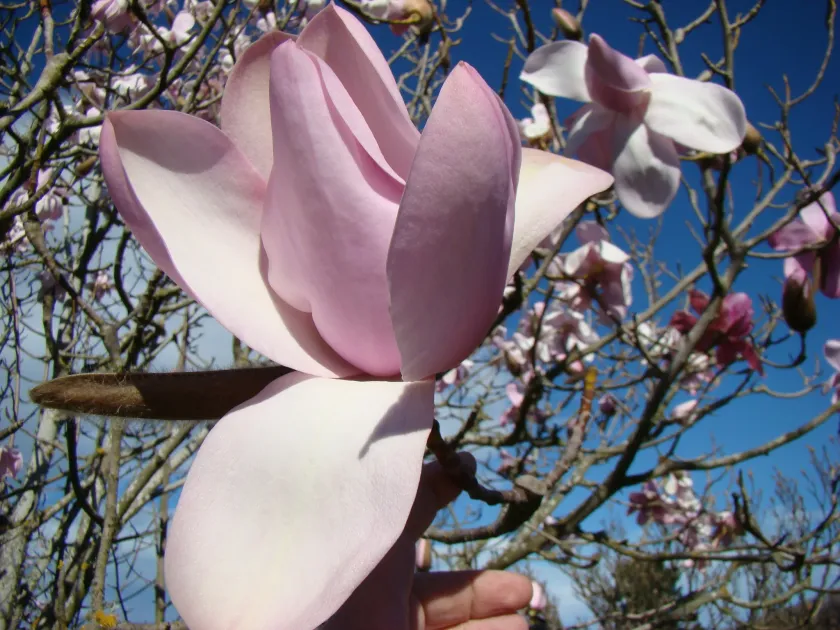
Sargent's Magnolia (Magnolia sargentiana) is a spectacular deciduous tree belonging to the Magnoliaceae family. Native to the mountainous regions of Western China, this species is renowned for its impressive size and large, stunningly beautiful pink to purple flowers that bloom on bare branches in early spring, creating a dramatic visual impact.
This crop requires specific soil conditions for optimal growth: deep, fertile, and well-drained soil with a slightly acidic pH. Good drainage is essential, as the species is highly sensitive to waterlogged conditions that can cause root rot. A site protected from strong winds with exposure to full sun or light afternoon shade is considered ideal for its development.
Climate requirements for this plant involve high atmospheric humidity and protection from extreme temperature fluctuations. While it is reasonably hardy, young specimens require winter protection in colder regions. Mulching the root zone with organic matter, such as pine bark or compost, is crucial to maintain moisture levels and insulate the shallow roots from freezing temperatures.
The agronomic management of this magnolia centers on consistent watering during the growing season, particularly during prolonged dry spells. As the root system is fibrous and shallow, avoid deep cultivation around the base of the tree. Instead, maintain a permanent mulch layer to manage soil moisture and suppress weeds without damaging the sensitive roots.
The primary use of Sargent's Magnolia is ornamental. It is widely prized as a focal point in landscapes, parks, and botanical gardens. Due to its slow growth and magnificent floral display, it is often selected for large-scale landscaping projects where its unique stature can be showcased during the early spring bloom.
Main diseases and pests
The plant is susceptible to several fungal diseases, including powdery mildew and leaf spot, which are frequently associated with excessive moisture and poor air circulation. Implementing good horticultural practices, such as proper spacing and periodic monitoring of the canopy, is essential to mitigate the spread of these pathogens.
Insect pests, including aphids, spider mites, and scale insects, pose a significant threat by sapping nutrients from the foliage and stems. Vigilant inspection during the spring and summer, combined with appropriate integrated pest management strategies, ensures that the tree remains healthy and maintains its aesthetic value throughout the season.