
Magnolia montana
Magnolia montana
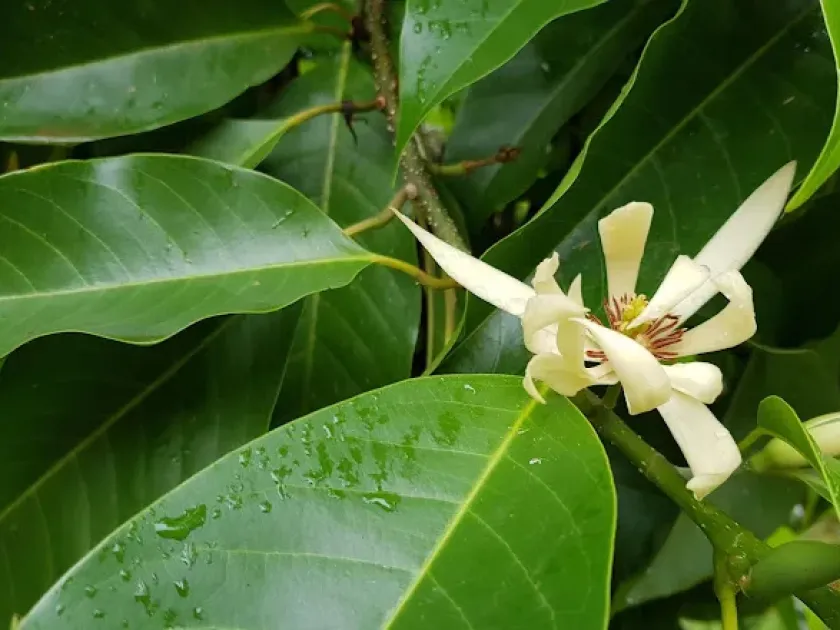
Description
Growing requirements
Magnolia montana belongs to the Magnoliaceae family and is recognized as a distinctive ornamental plant. It is an evergreen or semi-evergreen tree characterized by its aesthetic foliage and elegant, often fragrant flowers that enhance landscape design.
Originating from the mountain ranges of Southeast Asia, this species has adapted to humid subtropical environments. In cultivation, it thrives best in regions where the climate is mild, avoiding both extreme tropical heat and severe winter frost.
The ideal soil conditions for Magnolia montana include fertile, well-draining, and moisture-retentive substrates. The plant is particularly sensitive to alkaline soil, preferring acidic to neutral conditions that allow for efficient nutrient absorption through the root system.
Regarding light requirements, the plant prefers dappled sunlight or partial shade. While it needs significant light to set buds and grow vigorously, direct sunlight during the hottest part of the day can cause leaf scorch, especially in younger specimens.
Agricultural management should focus on consistent watering, ensuring that the soil remains moist without becoming waterlogged. Mulching is highly recommended to protect the root zone from temperature extremes and to maintain a steady humidity level throughout the season.
Main diseases and pests
Pests such as scale insects and spider mites are among the most common threats to Magnolia montana. These pests can cause yellowing and premature leaf drop, requiring integrated pest management, including horticultural oils or systemic insecticides.
Fungal diseases like powdery mildew and leaf spot often thrive in high-humidity conditions with poor airflow. Maintaining proper spacing between trees and avoiding overhead irrigation can significantly reduce the incidence of these pathogens.
Nutritional deficiencies, specifically iron chlorosis, frequently occur if the soil pH rises above the optimal range. Regular soil testing and the application of chelated iron can prevent the foliage from turning pale and ensure healthy chlorophyll development.
Root rot is a severe danger caused by waterlogged soil conditions. Ensuring perfect drainage at the planting site is the primary defense, as established trees struggle to recover once the vascular system is compromised by anaerobic soil conditions.
Mechanical damage to the trunk or roots can provide entry points for pathogens and opportunistic fungi. Careful handling during cultivation and pruning is essential, as the bark of Magnolia species is relatively thin and prone to physical trauma.