
Magnolia lotungensis
Magnolia lotungensis
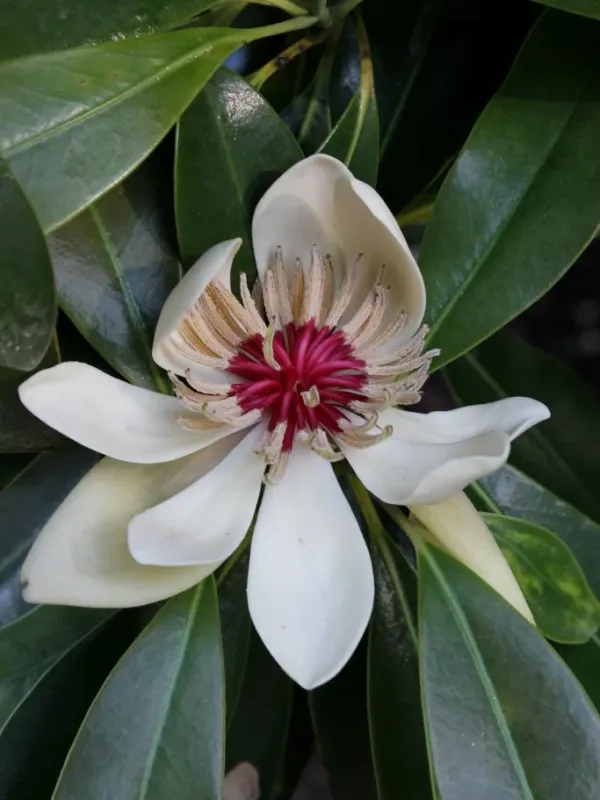
Description
Growing requirements
Magnolia lotungensis is a distinguished evergreen tree belonging to the Magnoliaceae family. Native to the mountainous regions of Southern China, it is known for its elegant foliage and robust, tree-like growth habit.
The species thrives in subtropical climates, favoring areas with consistent moisture and protection from harsh weather. It is best suited for sites with dappled sunlight, which protects the leaves from potential heat stress during the hottest months.
The soil requirements are specific: the substrate must be well-drained, acidic, and rich in organic matter. Proper aeration is crucial to prevent root suffocation, especially in regions with frequent rainfall or heavy clay soil composition.
For successful cultivation, consistent irrigation is necessary, particularly during establishment. Mulching around the base of the trunk helps maintain soil moisture levels and protects the roots from significant temperature fluctuations.
In terms of usage, it is highly valued in forestry and ornamental planting. Its ecological significance and aesthetic appeal make it a popular choice for botanical collections, large gardens, and sustainable landscape projects.
Main diseases and pests
Like many members of the Magnolia genus, this species is susceptible to various fungal pathogens, especially if planted in poorly ventilated areas. Leaf spot diseases are common when humidity levels remain excessively high for extended periods.
Pests such as scale insects and spider mites represent a frequent challenge for growers. These pests feed on the sap of the leaves and stems, which can lead to stunted growth and premature leaf drop if left untreated.
Root rot is a critical threat often associated with poor drainage and overwatering. Ensuring the planting site has adequate slope or an artificial drainage system is essential for the long-term survival of the tree.
Integrated pest management is recommended for maintenance. This involves regular inspections of the underside of the foliage and the application of horticultural oils or specialized insecticides if pest populations exceed thresholds.
Good cultural practices, including sanitation and appropriate spacing during planting, remain the primary defense against most threats. Keeping the surrounding area clear of fallen leaves also reduces the incidence of soil-borne pathogens.