
Magnolia foveolata
Magnolia foveolata
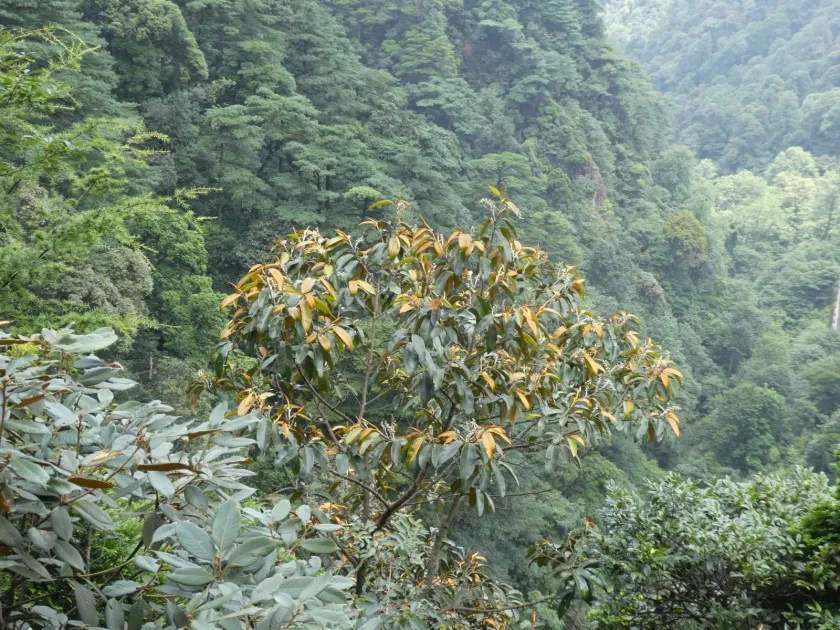
Description
Growing requirements
Magnolia foveolata is a member of the Magnoliaceae family, known for its elegant evergreen foliage and distinct botanical structure. This species is highly valued in horticulture for its ornamental appeal.
The native distribution of this plant is concentrated in the subtropical forest regions of Southern China. It thrives in humid environments protected from harsh weather conditions and direct wind exposure.
To cultivate Magnolia foveolata successfully, one must provide a fertile, well-draining soil rich in organic matter. A slightly acidic to neutral pH level is ideal for nutrient absorption and overall root health.
Climate requirements emphasize the need for consistent moisture and warmth. While it prefers subtropical conditions, cultivation in temperate zones requires careful site selection and supplemental winter protection for young specimens.
Agrotechnical maintenance includes consistent irrigation during the growing season and balanced fertilization. Mulching the base of the plant helps retain soil moisture and regulate temperature fluctuations around the root zone.
Main diseases and pests
The plant is susceptible to fungal diseases such as leaf spots and root rot, which are often triggered by poor drainage or high humidity accompanied by stagnant air circulation in the garden.
Common pests include scale insects and spider mites, which feed on the sap of the leaves. Left untreated, these pests can severely affect the plant's vigor and its ability to withstand environmental stress.
Integrated pest management, including regular monitoring and the use of horticultural oils, is highly recommended for maintaining the health of the tree throughout the growing cycle.
Sanitation practices, such as removing fallen debris and pruning dead or diseased branches, are crucial for preventing the spread of pathogens within the ornamental landscape.
Proper spacing between trees is essential to ensure adequate airflow, which is one of the most effective natural defenses against fungal infections and pest outbreaks.