
Magnolia fordiana
Magnolia fordiana
Description
Growing requirements
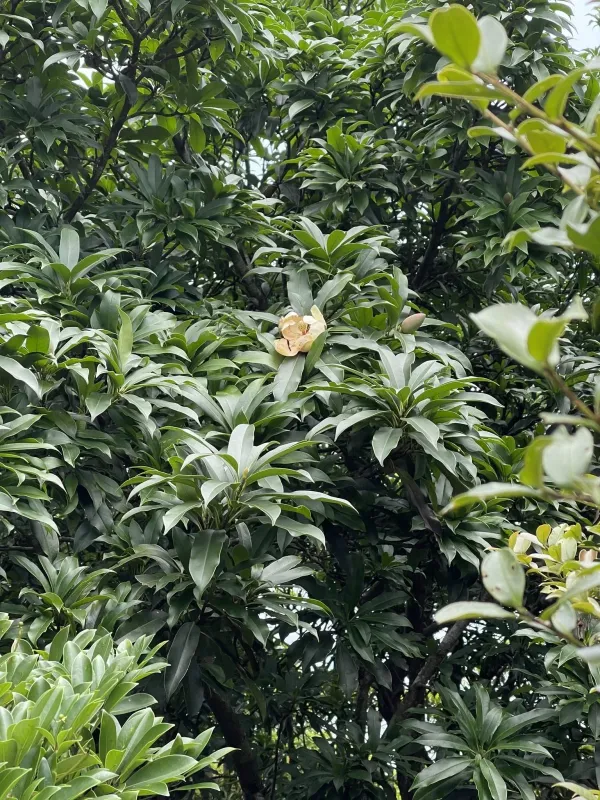
Magnolia fordiana is an elegant evergreen tree belonging to the Magnoliaceae family. Native to the subtropical forests of Southeast Asia, specifically regions within China and Vietnam, this species is highly valued for its dense, glossy foliage and architectural form.
To thrive, this plant requires specific climatic conditions, typically flourishing in regions with mild winters and high atmospheric humidity. It is best suited for sheltered garden locations where it is protected from cold, drying winds that can damage its broad, evergreen leaves.
Soil requirements for Magnolia fordiana focus on high fertility, excellent drainage, and a slightly acidic pH level. Because the root system is sensitive to waterlogging, planting the tree on a slight elevation or ensuring a robust drainage layer is essential for long-term health.
The cultural practices include consistent mulching to maintain soil moisture and protect shallow roots from rapid temperature fluctuations. While the tree can tolerate partial shade, it performs best in positions that receive sufficient light to encourage dense growth and blooming.
In terms of хозяйственное (economic) use, the species is primarily ornamental, serving as a focal point in landscape architecture. Its wood is sometimes utilized in high-quality carpentry, and the species is of interest in botanical research due to its unique genetic background.
Main diseases and pests
Primary threats to Magnolia fordiana include fungal infections such as powdery mildew and various leaf spot diseases. These pathogens often thrive in conditions of poor air circulation and excessive humidity, requiring careful management of the planting site.
Pests like scale insects and spider mites are common concerns for this magnolia. By feeding on the plant sap, these insects can cause yellowing, leaf drop, and overall weakening of the tree's physiological status, making regular monitoring vital.
Proactive protection involves applying appropriate fungicides during periods of high humidity and using systemic insecticides when pest outbreaks are detected. Maintaining the overall vigor of the tree through balanced fertilization is the best preventive strategy against infestations.
Avoid heavy pruning during the active growth phase, as large wounds can serve as entry points for pathogens. When pruning is necessary for shape or health, it should be done with sterilized tools and limited to the dormant season to ensure quick healing.
Environmental stress, such as extreme drought, can also act as a trigger for pest attacks. Providing deep, consistent watering during dry spells ensures the tree remains hydrated and resilient against both biotic and abiotic stressors.