
Magnolia cavaleriei
Magnolia cavaleriei
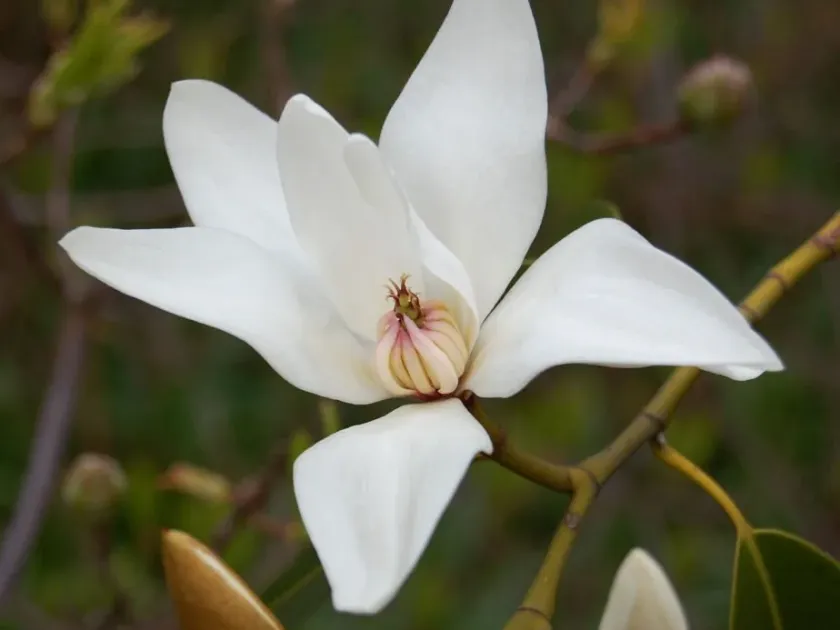
Description
Growing requirements
Magnolia cavaleriei is an ornamental woody plant belonging to the Magnoliaceae family. Known for its elegant form and evergreen foliage, it serves as a sophisticated addition to botanical collections and specialized landscapes.
Originating from the subtropical regions of Southern China, this species thrives in humid, montane environments. It is naturally accustomed to growing in rich, forest soil with high organic content and protection from intense direct sun.
For successful cultivation, gardeners must provide well-draining, slightly acidic soil. Proper drainage is the most critical factor, as stagnant water near the root zone can lead to rapid decay of the delicate fibrous root system.
The plant performs best in locations that mimic its native microclimate, featuring consistent humidity and shelter from harsh, drying winds. While it enjoys a warm climate, it requires winter protection in regions where temperatures drop significantly below freezing.
Its primary use is in landscape architecture, where it is favored for its architectural leaves and fragrant, beautiful blooms. It acts as a focal point in shade-loving gardens or as a permanent fixture in large greenhouse structures.
Main diseases and pests
Disease management is a key aspect of magnolia care. Fungal leaf spots are common during periods of high humidity and poor air circulation, often leading to premature defoliation if left untreated.
Phytophthora root rot remains the most significant threat to the survival of the tree. This pathogen thrives in waterlogged conditions, making careful irrigation management and the selection of porous, loose soil types mandatory.
Scale insects present a notable threat, adhering to branches and stems. These pests often go undetected until significant damage to the plant's vitality and leaf color becomes apparent, requiring targeted pesticide application.
Spider mites are common in drier environments or during intense heatwaves. They damage the foliage by piercing the surface cells, which can be mitigated by regular misting of the foliage and ensuring the tree is not suffering from drought stress.
Effective control strategies include an integrated approach: using specialized fungicides for fungal infections, monitoring for insect outbreaks during the spring, and maintaining strong general plant health through regular fertilization.