
Betong magnolia
Magnolia betongensis
Description
Growing requirements
Betong magnolia (Magnolia betongensis) is a rare woody species belonging to the Magnoliaceae family. It is native to the tropical forests of Southeast Asia, specifically found in Thailand and parts of the Malay Peninsula, where it thrives under the canopy of dense forest ecosystems.
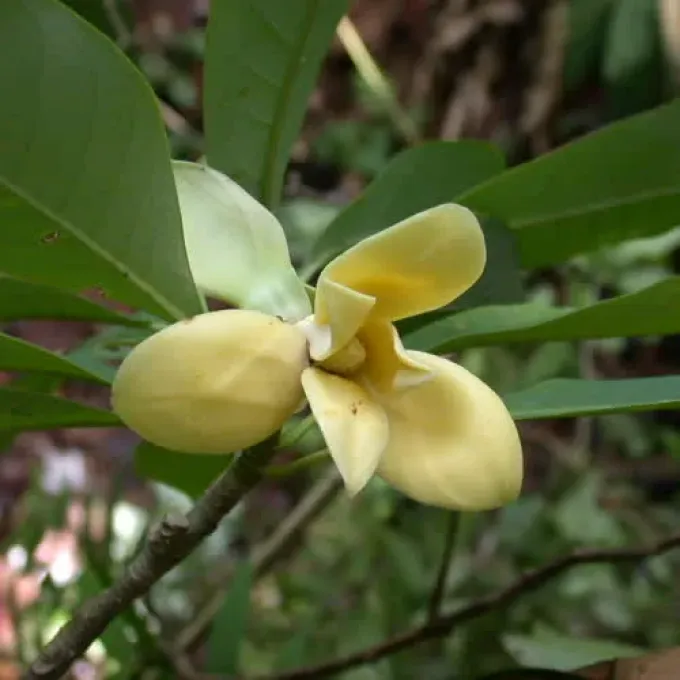
The botanical profile of this species includes broad, evergreen leaves and distinctive flowers that are typical for the genus. It is a slow-growing tree that requires specialized care to reach maturity, preferring nutrient-rich, humus-based soil that provides excellent aeration for its sensitive roots.
In terms of environmental conditions, this magnolia demands high humidity levels and warm, stable temperatures year-round. It is not cold-hardy, which restricts its cultivation primarily to tropical zones or strictly controlled greenhouse environments in temperate regions.
A successful cultivation strategy involves protecting the plant from harsh direct sunlight, which can scorch the delicate foliage. Ideally, it should be grown in light, dappled shade that mimics its natural forest floor habitat, ensuring it receives filtered light throughout the day.
Water management is critical for Magnolia betongensis; it requires consistent moisture but cannot tolerate waterlogged conditions. Using a high-quality, well-draining substrate mix is essential to prevent root asphyxiation and the development of water-borne pathogens.
Main diseases and pests
The most common disease threats include fungal leaf spots and root rot caused by poor ventilation and excess moisture in the root zone. Regular monitoring of the foliage for discoloration or necrotic lesions is necessary to manage these potential infections before they spread across the canopy.
Insect pests such as scale insects and spider mites are frequent invaders in greenhouse settings. These pests feed on the sap of the plant, often leading to reduced growth and poor floral output, requiring integrated pest management strategies to maintain plant health and vitality.