
Che tree
Maclura tricuspidata Carrière
Description
Sowing dates
The propagation of the Che tree (Maclura tricuspidata) is primarily achieved through vegetative methods. Softwood or semi-hardwood cuttings are taken during the spring or early summer months, utilizing hormone rooting treatments to enhance the establishment of a robust root system.
While seed propagation is possible, it is less common due to the lengthy cold stratification process required, often spanning up to three or four months. Seeds should be sown in a light, well-draining potting medium in early spring to encourage successful germination.
The seeds must be planted at a shallow depth of approximately 1 to 2 centimeters. Maintaining consistent soil moisture and a temperature range of 20–22 degrees Celsius is critical for the delicate seedlings during their initial phase of growth in nursery conditions.
For the first few years, nursery-grown seedlings should be kept in protected structures or containers to shield them from extreme environmental stressors. Transplantation to the permanent orchard site should only occur once the main stem has matured and woody development is sufficient.
Because the Che tree is dioecious, agricultural planning requires the inclusion of both male and female plants. A common orchard design includes a ratio of approximately five female fruit-bearing trees to one male pollinator tree to ensure optimal yield through wind pollination.
Growing requirements
Belonging to the Moraceae family, the Che tree thrives in sunny locations protected from severe winds. It is relatively adaptable to various soil types, although it prefers well-drained loamy or sandy soils that do not suffer from prolonged waterlogging or high water tables.
Field maintenance involves regular weeding and mulching of the tree base to retain soil moisture and reduce competition for nutrients. Irrigation is essential during peak summer heat and fruit development stages, as moisture stress can lead to premature fruit drop.
Fertilization schedules generally involve nitrogen-based applications in early spring to support leaf development and potassium-rich blends later in the season. This late-season nutrient shift assists in wood hardening, which is vital for improving winter cold tolerance.
Pruning is a necessary agricultural practice to manage the tree's habit and ensure fruit accessibility. By maintaining a clean, open canopy, growers can facilitate better light penetration and air circulation, both of which are crucial for consistent annual fruit production.
Given the presence of sharp thorns, pruning should be conducted with professional equipment and safety measures. Proper branch management not only yields a more manageable tree size but also improves the overall harvest efficiency during the peak of the ripening season.
Yield
The yield potential of the Che tree typically begins to manifest when trees reach 4 to 7 years of age. A mature, well-tended tree can produce between 20 and 30 kilograms of fruit per season, depending on the specific cultivar and local climatic conditions.
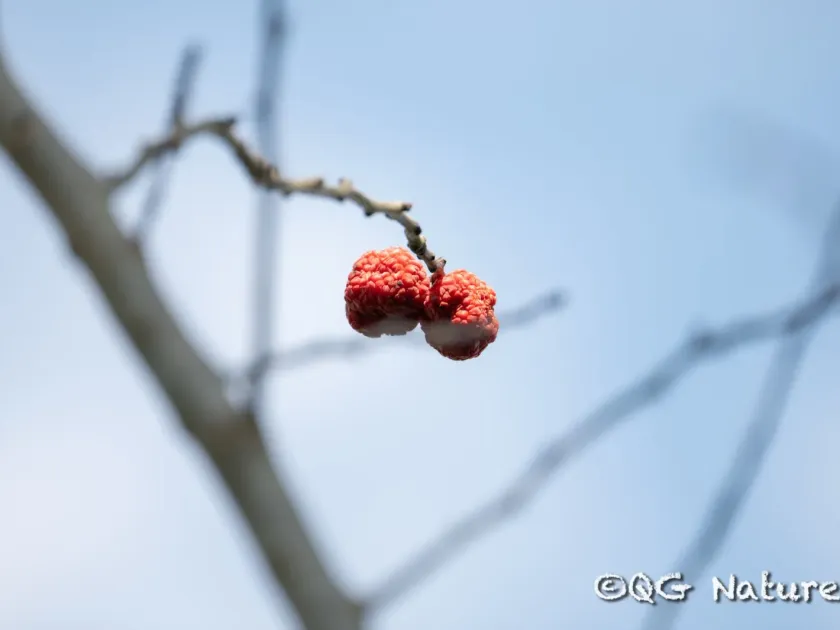
The fruit, which resembles a mulberry or strawberry in appearance, contains high levels of natural sugars and antioxidants. Its flavor profile is sweet and distinct, making it a highly desirable specialty crop for fresh market sales and artisanal food production.
Beyond its culinary utility, the leaves of the Che tree have been historically utilized as a secondary food source for silkworms. This dual-purpose utility offers agricultural diversification, potentially benefiting integrated farming systems in suitable temperate regions.
Harvesting requires significant attention to detail due to the plant's natural defenses. The use of harvesting crates and gloves is standard practice to protect the quality of the fruit while ensuring the safety of workers during the labor-intensive picking process.
Post-harvest handling is critical, as the fruit is relatively perishable. Producers must move the fruit into cold storage or processing facilities rapidly to maintain quality, as the high sugar content makes the product susceptible to fermentation if not managed correctly.
Main diseases and pests
Maclura tricuspidata is recognized for its exceptional resilience against most common fruit tree diseases. Its milky latex sap acts as a natural deterrent, providing the tree with significant protection against many bacterial and fungal pathogens without chemical intervention.
Root rot is the most significant threat to the plant, usually resulting from inadequate drainage or chronically saturated soil. Ensuring that orchard sites are properly graded and drained is the most effective preventative measure against soil-borne issues.
While the tree is largely pest-resistant, aphids may occasionally inhabit tender new growth during extreme drought conditions. Management involves simple physical removal or the application of mild, organic-certified biopesticides if infestations threaten the health of the young trees.
Frost cracks, or sunscald, can damage the trunks during the spring transition. Protecting the lower trunk with white latex paint or specialized tree wraps is a proven method to mitigate temperature-related bark damage and subsequent secondary infections.
In summary, the Che tree's strong natural immunity makes it an excellent candidate for low-input or organic farming operations. With minimal management, the tree provides a stable crop, significantly reducing the financial burden of traditional orchard pesticide programs.
Harvesting
Harvesting should be timed for the stage of full biological maturity when the fruits shift to a deep, dark red or maroon color. At this stage, the fruit reaches its peak sweetness, and the texture becomes soft and succulent for consumption.
Due to the fragile nature of the fruit, it must be harvested with care and placed in shallow containers in single layers to prevent bruising. This careful handling is essential for maintaining the market value and visual appeal of the fresh produce.
Many successful orchards use a netting system underneath the trees, allowing the fruits to fall into the net once fully ripe. This method reduces hand-harvesting time and protects the fruit from contact with soil, streamlining the collection process for the workforce.
Industrial processing should occur within 24 hours of harvest to ensure the highest quality of the raw material. Quick processing helps prevent the fruit from losing its unique aromatic profile and nutritional integrity before it is transformed into final products.
Drying the fruit is a viable processing pathway that extends the product's shelf life and market reach. Dried Che fruit remains highly nutrient-dense, satisfying the demand in health-food sectors for naturally sweet, antioxidant-rich, and non-processed snack alternatives.