
Osage orange
Maclura pomifera (Raf.) C. K. Schneid.
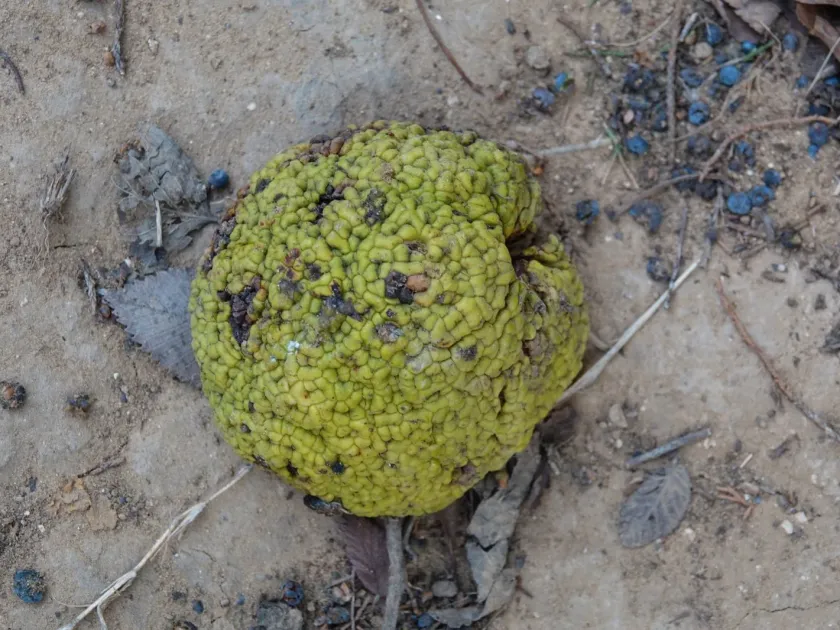
Description
Sowing dates
The propagation of the Osage orange (Maclura pomifera) is typically achieved through seeds or stem cuttings. Seeds require cold stratification at approximately +5°C for about two months to break dormancy and ensure high germination rates.
Sowing should be performed in well-drained soil during the spring, once the threat of frost has passed. Seeds should be planted at a depth of 2–3 cm to provide optimal moisture levels for the embryo.
Cuttings represent a more reliable method for maintaining the desired characteristics of the parent plant. Green cuttings are taken in early summer and rooted in greenhouses with high humidity levels and consistent warmth.
Because the Osage orange is a dioecious species, it is essential to plant both male and female trees in proximity to ensure successful cross-pollination and fruit production.
When establishing a plantation, trees should be spaced at least 5 meters apart to allow for the expansive growth of the canopy and the development of an extensive root system.
Growing requirements
Belonging to the Moraceae family, the Osage orange is native to the south-central United States. It is widely recognized for its extreme hardiness, drought tolerance, and ability to thrive in poor soil conditions.
The tree prefers full sun and open spaces. It is highly adaptable to various soil types, including heavy clays, sandy soils, and even saline or rocky ground that would be unsuitable for other crops.
Water requirements are relatively low once the tree is established. However, during the first two years of growth, regular watering is necessary to support root system development and plant vitality.
The tree exhibits a significant temperature range for growth, thriving between +18°C and +28°C. Mature specimens can withstand freezing temperatures down to -25°C, making it a robust choice for temperate climates.
Protection from extreme wind is advisable for younger trees to prevent limb breakage, as the wood of the Osage orange is exceptionally dense and can be prone to wind damage when young.
Yield
The primary economic value of the Osage orange lies not in its fruit, which is not commonly consumed by humans, but in its bioactive chemical components and its highly durable wood.
The wood is dense, rot-resistant, and historically prized for making bows, tool handles, and fence posts. It remains a valuable resource for high-quality, long-lasting exterior carpentry.
The fruit contains chemical compounds such as isoflavones, which are extracted for pharmaceutical research and the development of natural anti-inflammatory and antiseptic agents.
In landscaping, the Osage orange is effectively used for windbreaks and defensive hedgerows due to its thorns and dense branch structure, which provide security and wildlife habitat.
Annual yields from mature female trees are substantial, producing large quantities of heavy, lime-green fruits that serve as a source for raw materials in the natural extracts industry.
Main diseases and pests
The Osage orange possesses natural defenses, including a milky latex sap, which makes it highly resistant to most pests and diseases that typically affect orchard crops.
Root rot is the most significant concern if the tree is planted in low-lying areas where water tends to accumulate. Providing proper soil drainage is the most effective preventative measure.
While the tree is largely trouble-free, aphids may occasionally infest young shoots during periods of drought. Monitoring and mild biological control measures are generally sufficient to manage these populations.
Powdery mildew can occur in areas with poor airflow and high humidity. Maintaining proper tree spacing and performing periodic pruning to open the canopy helps mitigate this risk.
Cleaning up leaf litter under the trees in the autumn is a good cultural practice to prevent the overwintering of potential fungal pathogens near the root collar.
Harvesting
Harvesting the fruit is performed in autumn when the exterior color transitions to a yellowish-orange hue. The fruits are heavy and must be carefully detached from the branches to prevent damage.
Due to the sharp, woody thorns found on the branches of the tree, workers should utilize protective clothing, heavy-duty gloves, and proper pruning tools during the harvest process.
Collected fruits should be stored in cool, well-ventilated areas to prevent premature decomposition before they are processed for their chemical extracts.
The latex sap present in the fruit can be irritating to the skin, so it is recommended to wash hands and equipment thoroughly after handling the harvested material.
Logistics for transport must account for the weight of the fruit, requiring sturdy containers to ensure that the yield remains intact and free from crushing during shipment to processing facilities.