
Macludrania
Macludrania
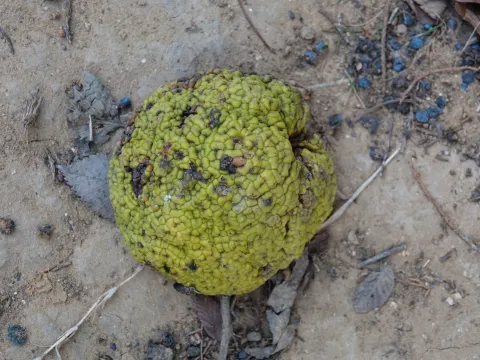
Macludrania (lat. Macludrania) is a distinct intergeneric hybrid derived from cross-breeding Maclura pomifera and Cudrania tricuspidata, both belonging to the Moraceae family.
What the section contains

Macludrania
This plant possesses the robust, cold-hardy characteristics of the Osage orange (Maclura) combined with the edible, sweet fruit qualities typically found in the Che tree (Cudrania).
The tree thrives in full sun exposure, requiring significant heat accumulation during the growing season to properly mature its wood and produce high-quality, flavorful fruit.
Soil requirements are relatively adaptable; however, the plant performs best in well-drained, sandy loam soils that prevent waterlogging, which is critical for root health.
While the hybrid exhibits improved winter hardiness compared to pure Cudrania species, young saplings should be protected in regions with severe frosts to ensure successful establishment.
The fruit of the Macludrania is the primary focus of its cultivation, offering a unique flavor profile that makes it a sought-after specialty product for artisanal orchards.
These fruits are versatile in culinary applications, being used for preserves, syrups, and dried fruit snacks, while also containing compounds valued in traditional health supplements.
To maximize yields, it is highly recommended to plant multiple specimens to facilitate cross-pollination, as this significantly increases the number of fruits set on each tree.
The trees typically reach a productive age within a few years of planting and can provide consistent harvests annually if environmental conditions and nutrition are maintained.
Harvesting is usually carried out by hand as the fruits become fully ripe and soft, ensuring that they maintain their optimal sugar content and aromatic characteristics.
Macludrania is susceptible to various fungal pathogens, particularly if the tree canopy becomes too dense, which limits airflow and promotes moisture retention during rainy spells.
Pests such as spider mites and scale insects can pose a challenge, especially in warm, arid environments, requiring regular monitoring and timely management interventions.
Good agricultural practice for this hybrid includes systematic pruning to maintain an open canopy structure, which is the best defense against many common fungal issues.
Organic pest management strategies are encouraged to keep the fruit production safe and natural, focusing on physical barriers or beneficial predatory insects where possible.
Maintaining balanced soil nutrition and adequate irrigation prevents plant stress, which makes the tree inherently more resistant to opportunistic pests and environmental damage.