
Macludrania
Macludrania hybrida
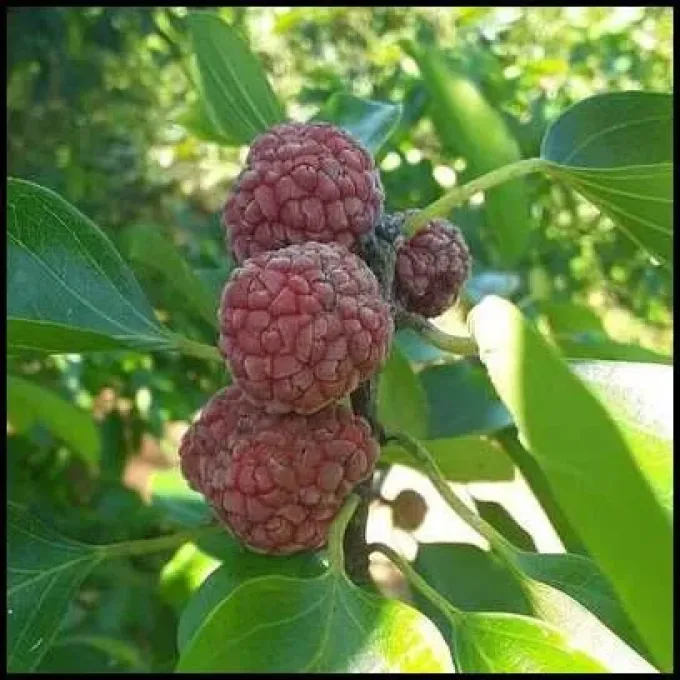
Description
Growing requirements
Macludrania (Macludrania hybrida) is a unique intergeneric hybrid resulting from the crossing of the Osage orange (Maclura pomifera) and the mulberry (Morus). It belongs to the Moraceae family and is known for its hardiness and ornamental appeal.
The plant originates from specialized breeding efforts aimed at creating a tree with high-quality, edible fruit that maintains the climatic resilience of its ancestors. It remains a specialty crop primarily found in botanical collections and private orchards.
For optimal growth, Macludrania requires sunny, well-exposed locations shielded from harsh winds. It thrives in fertile, well-drained soil types, preferring a pH range that is neutral to slightly acidic for best nutrient uptake.
The tree exhibits high adaptability to various soil structures but should not be planted in waterlogged areas. Its ability to withstand seasonal temperature fluctuations makes it a robust choice for temperate climate regions.
Maintenance involves routine watering during drought periods, balanced fertilization in early spring, and formative pruning to ensure proper light penetration and airflow through the canopy.
Yield
The primary agricultural output is the fruit, which combines the nutritional richness of mulberry with the unique textural properties of the Osage orange. The fruits are rich in sugars, antioxidants, and essential vitamins.
Usage includes both fresh consumption and processing into preserves, jams, and artisanal beverages. The wood is also highly valued for its density and unique color, often used in fine woodworking.
The tree typically begins to bear fruit within 4 to 6 years of planting. As the tree matures, the yield increases significantly, provided the orchard management practices are consistent and appropriate for the species.
To maximize fruit set, it is advisable to plant in small groups to facilitate cross-pollination. Planting density should allow for at least 4–5 meters of space between individual trees to ensure healthy development.
Macludrania is considered a sustainable crop due to its drought tolerance and minimal susceptibility to many common fruit tree pests, making it an excellent candidate for low-input organic orchards.
Main diseases and pests
While generally hardy, Macludrania can be susceptible to fungal infections if humidity remains excessively high. Proper canopy management and sanitation are essential to prevent the spread of these pathogens.
Typical pests include aphids and scale insects, which target succulent young growth. Integrated Pest Management (IPM) practices, including the use of neem oil or targeted insecticides, are effective in controlling these threats.
Rodent damage to the bark is a critical risk, especially during winter months. Protecting the trunks with hardware cloth or tree wraps is a necessary precaution for young plants to ensure long-term health.
Preventative treatments for powdery mildew during the bud-break phase help maintain foliage health throughout the season. Healthy leaves are crucial for photosynthesis and the successful development of the current year's fruit crop.
Vigorous growth achieved through proper soil fertility usually confers a natural resistance to pests. A well-nourished tree is better equipped to recover from minor infestations and environmental stress.