
Fortune's loosestrife hybrid
Lysimachia fortunei Maxim. x L. clethroides Duby
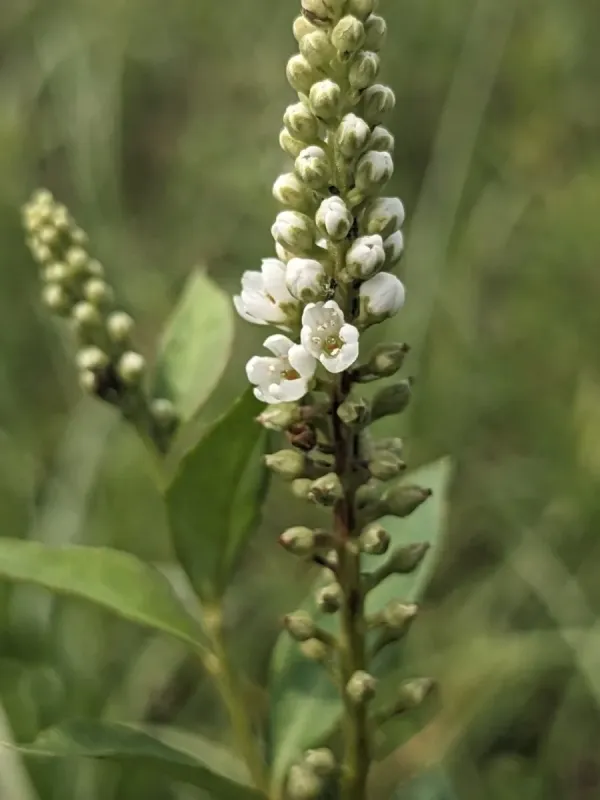
Description
Sowing dates
Propagation of the Fortune's loosestrife hybrid (Lysimachia fortunei x L. clethroides) is most effectively achieved through division of the rhizomes. This method preserves the genetic characteristics of the hybrid and ensures robust plant development from the start.
The best time for division is early spring as soon as the frost thaws. Dividing the plants at this stage allows the root system to recover quickly and establish itself before the heat of the summer season begins to influence growth.
Seed propagation is possible but less common, as the hybrid may not come true from seed. When starting from seed, use a cold frame or stratify seeds in the refrigerator for several weeks to break dormancy before sowing in early spring.
When transplanting, plant segments into moist, well-prepared soil. Ensure the root crowns are placed at the same depth they grew at previously to prevent rotting and to encourage healthy new shoots to emerge from the base.
Space individual plants approximately 45–50 cm apart. This allows for sufficient air circulation, which is crucial for managing moisture-related diseases and preventing the plants from crowding each other out as they spread.
Growing requirements
Fortune's loosestrife hybrid belongs to the Primulaceae family. It is a distinctive perennial valued for its attractive, arching flower spikes that bring a unique aesthetic to herbaceous borders and waterside settings.
This crop has a high demand for soil moisture. It thrives in fertile, loamy soils that are rich in organic matter. While it is tolerant of various soil types, maintaining consistent moisture is the key to achieving vigorous growth and abundant flowering.
Choose locations that receive full sun to partial shade. In warmer climates, it is best to provide afternoon shade to protect the foliage from heat stress, which can lead to wilting and reduced plant vitality during peak summer months.
Annual maintenance involves fertilizing with a balanced, slow-release fertilizer in the early spring. Avoid excessive nitrogen applications, which can encourage weak, leggy stems that are more prone to bending during rain or wind.
The hybrid is cold-hardy and generally withstands winter temperatures well without special protection. Applying a light layer of mulch in late autumn can help protect the roots in areas with severe winter conditions or minimal snow cover.
Main diseases and pests
The primary threats to this plant are fungal diseases, particularly powdery mildew and leaf spot. These conditions are exacerbated by high humidity and poor ventilation, often occurring in dense plantings during warm, rainy periods.
Pests such as aphids and spider mites can occasionally affect the plant, particularly if it is stressed by drought. Keeping the plant properly watered and healthy is the best defense, though insecticidal soaps can be used for acute infestations.
Slugs and snails can be problematic, especially in damp, shaded environments where the plant is often grown. Using barrier methods or organic bait can help manage these populations without harming the surrounding beneficial insect life.
Proactive disease management requires maintaining good garden hygiene, including the removal of dead or decaying plant material in the autumn. This reduces the number of pathogens that can overwinter and cause problems the following year.
Always inspect the undersides of leaves during regular garden care sessions. Early detection of pests or symptoms of disease makes intervention significantly easier and helps maintain the aesthetic quality of your garden display.