
Ludwigia perennis
Ludwigia perennis
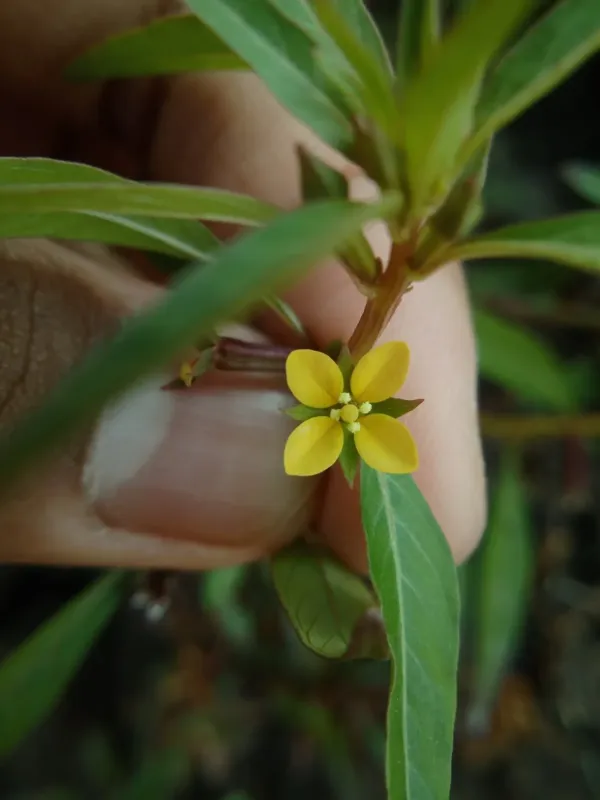
Description
Sowing dates
Ludwigia perennis is an aquatic or semi-aquatic plant species belonging to the Onagraceae family. It is widely distributed across tropical regions, commonly found in wetlands, paddy fields, and along riverbanks.
The propagation of this crop is primarily achieved through stem cuttings or seeds. Seed propagation requires fine substrate and careful moisture management, as the seeds are extremely small and susceptible to drying out.
Cuttings should be taken from healthy mother plants and planted in nutrient-rich media. Rooting occurs rapidly when the stems are provided with constant humidity and appropriate temperature conditions.
Field sowing or planting is typically scheduled during the warmer months, ensuring that the water levels in the planting zone remain stable and consistent to support early growth stages.
Once established, the crop demonstrates a high capacity for biomass production, often forming dense mats if conditions are optimal for its development.
Growing requirements
Light intensity is a critical requirement for Ludwigia perennis. High light exposure is necessary to maintain the plant's health, structural integrity, and typical leaf coloration during its active growth period.
The plant thrives in warm temperatures, ideally between 22 and 28 degrees Celsius. Growth slows significantly if temperatures drop, and extreme heat without proper water circulation can lead to oxygen depletion.
Soil or substrate requirements include high organic content and slightly acidic to neutral pH levels. For hydroponic or aquatic cultivation, the presence of dissolved minerals is essential for plant vigor.
Proper water management involves either slow-moving water or periodic flushing to prevent the accumulation of waste products that could inhibit root uptake of nutrients.
Adequate spacing between plants is recommended to allow for sufficient light penetration and to avoid competition for nutrients, which can negatively impact the yield quality.
Main diseases and pests
Major pests affecting this crop include gastropods such as snails, which can cause significant damage to young shoots and leaves. Protecting the plants during the initial growth phase is essential.
Fungal diseases can develop if air circulation is poor or if the plant material is stressed due to environmental fluctuations. These infections often manifest as spotting or tissue decay.
Nutrient imbalances, particularly iron deficiency, lead to chlorosis, where leaves turn yellow. This condition makes the crop more susceptible to secondary infections and reduces overall growth vigor.
Algal blooms surrounding the plant base can compete for light and nutrients, significantly reducing the success rate of the crop. Biocontrol methods or water quality maintenance are key strategies.
Integrated pest management, including regular monitoring and the removal of compromised plant tissues, is necessary to maintain the health and productivity of the cultivated area.