
Ludwigia kentiana
Ludwigia kentiana
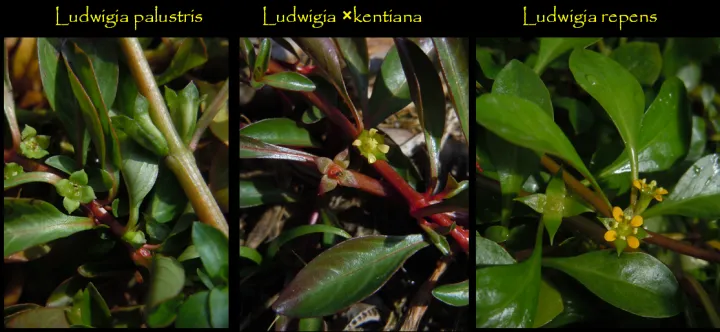
Description
Growing requirements
Ludwigia kentiana is a unique aquatic species belonging to the Onagraceae family. Known for its delicate structure and vibrant color, this plant is primarily cultivated in high-tech aquatic nurseries for the ornamental plant market, where precise control over environmental parameters is required.
The plant originates from tropical environments and thrives in soft, slightly acidic water. Consistent thermal regulation is essential, with an optimal temperature range of 22 to 28 degrees Celsius; even minor deviations can cause severe stress and growth inhibition in the plant's metabolic activity.
High-intensity lighting is crucial for the development of the plant's characteristic coloration. The light spectrum should ideally be tuned to support photosynthetic processes, specifically focusing on the red and blue wavelengths, which are essential for maintaining the health of the foliage.
Regarding soil requirements, Ludwigia kentiana demands nutrient-dense substrates that are rich in iron and other essential microelements. The substrate should be fine-grained to ensure that the delicate root system can efficiently uptake nutrients without mechanical damage.
The integration of CO2 injection systems is standard practice for professional cultivation. By maintaining a pH level between 6.0 and 7.0, cultivators ensure the bioavailability of nutrients, which significantly accelerates growth rates and increases the biomass yield of the culture.
Main diseases and pests
Pathogenic algae are the primary competitors for this culture, frequently covering leaf surfaces and blocking necessary light exposure. Effective management of nutrient cycles is the most reliable way to inhibit algal growth without harming the aquatic crop.
Physiological disorders, such as iron-deficiency chlorosis, are common occurrences when the chemical balance of the aquatic environment is not strictly monitored. This manifests as yellowing of the leaf tissue between the veins, which can be mitigated with chelated iron supplements.
Specific gastropod species serve as common pests, as they consume the soft tips of young Ludwigia shoots. Farmers typically employ integrated pest management, often focusing on biological controls to maintain the integrity of the plant biomass during the growing cycle.
Bacterial rot at the base of the stems can occur if the water flow is insufficient or if organic waste accumulates in the root zone. Ensuring proper water circulation around the base of the plant is vital to prevent anaerobic conditions and subsequent tissue decay.
Overcrowding within the cultivation beds can lead to poor development and increased susceptibility to fungi. Regular thinning and precise spacing are necessary to ensure adequate water flow and access to nutrients for every individual plant unit within the aquatic nursery.