
Ludwigia helminthorrhiza
Ludwigia helminthorrhiza
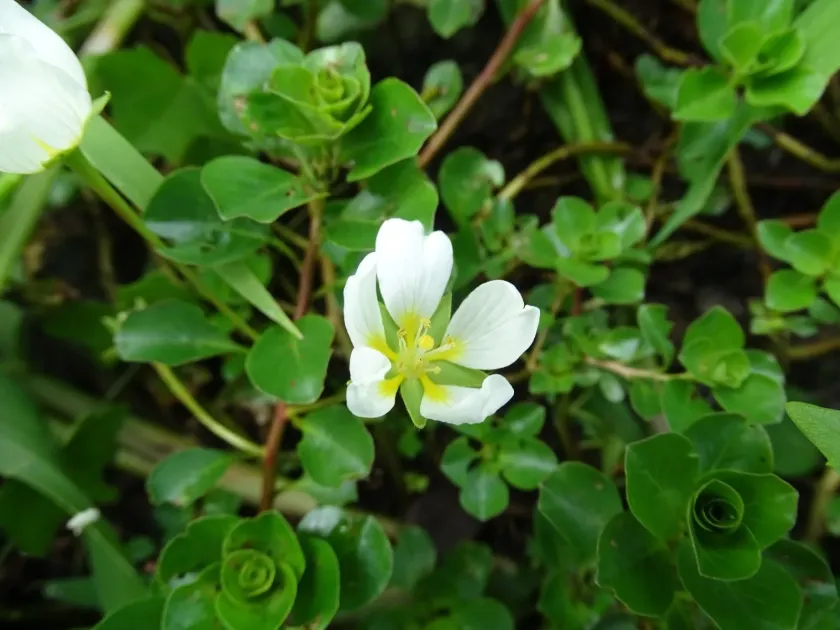
Description
Growing requirements
Ludwigia helminthorrhiza is a perennial aquatic plant belonging to the Onagraceae family. Native to the tropical regions of South America, it is highly valued for its unique floating growth habit.
The plant is biologically distinguished by its white, spongy pneumatophores, which act as floats to keep the leaf rosettes above the water surface. These structures are adaptations to life in swampy or slow-moving water bodies.
For successful cultivation, the plant requires high light intensity to maintain its characteristic structure and vibrant green color. The optimal water temperature ranges between 22 and 28 degrees Celsius, mimicking its native tropical habitat.
It thrives in nutrient-rich water environments where it can absorb minerals through its submerged root system. It does not require soil for growth, as it functions primarily as a floating aquatic species.
Regular water changes and carbon dioxide supplementation are recommended for intensive culture. Without adequate light and mineral availability, the plant loses its pneumatophores and may eventually sink.
Main diseases and pests
The primary threats include fungal infections that target the roots and stems in poorly circulated water. High concentrations of organic waste can lead to rapid rot, which destroys the delicate floating structure of the plant.
Insects and certain aquatic snails can significantly damage the leaf tissue, causing stunted growth and preventing the formation of new rosettes. These pests are usually introduced via contaminated equipment or new plant material.
Nutrient deficiencies, specifically a lack of iron, lead to leaf yellowing and structural weakness. If left uncorrected, the plant will stop growing and become increasingly susceptible to secondary bacterial infections.
Competition from aggressive algae species poses a critical risk to the plant's health. Algae blooms covering the leaf surface block essential light, leading to the rapid decline of the Ludwigia.
Maintaining stable water chemistry and monitoring for early signs of decay are essential for the long-term survival of this species in any cultivation environment.