
Ludwigia glandulosa
Ludwigia glandulosa
Description
Growing requirements
Ludwigia glandulosa is a distinguished member of the Onagraceae family. Originating from the wetland regions of the southeastern United States, this plant is highly prized by aquascapers for its vibrant coloration.
The plant requires high-intensity lighting to maintain its signature deep red foliage. Without adequate light, the plant's growth slows, and it may lose its intense aesthetic appeal.
Providing a consistent supply of CO2 is essential for healthy development. The optimal water temperature for this species ranges between 22 and 28 degrees Celsius, with a preference for soft to medium-hard water.
Nutrient-rich substrate is highly recommended, as the plant relies heavily on its root system for nutrient absorption. Supplementing the water column with iron-rich fertilizers is crucial for red color saturation.
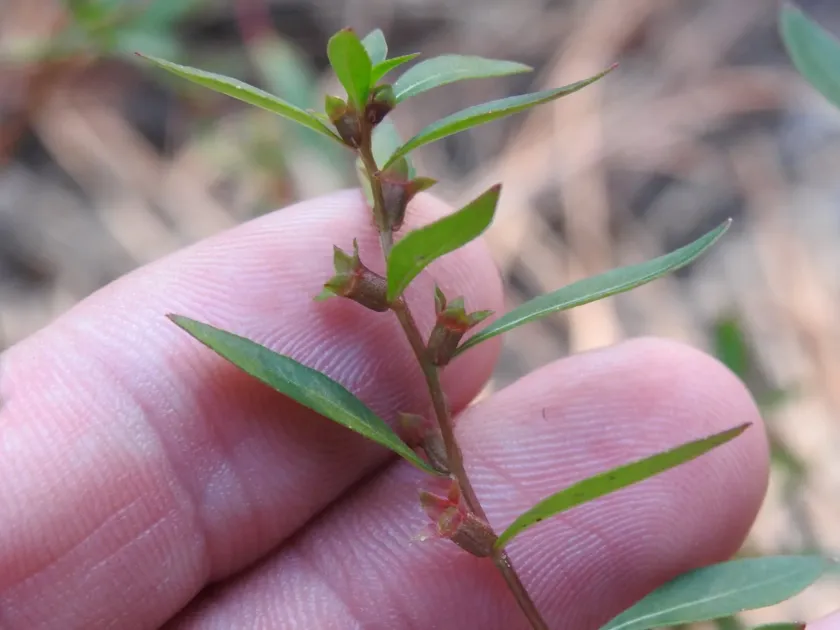
Botanically, it features stiff, upright stems with alternate, lance-shaped leaves. Its slow growth rate compared to other Ludwigia species makes it easier to maintain in smaller aquascapes.
Main diseases and pests
Algae proliferation, particularly beard or hair algae, is a primary threat when lighting cycles are inconsistent or nutrient levels become unbalanced.
Iron deficiency is a common physiological issue that manifests as yellowing of the leaves (chlorosis) and eventually stunted stem growth.
Invasive snails, such as Physidae, can sometimes graze on the delicate new leaves of the plant, potentially damaging the growing tips.
Poor water filtration or stagnant zones in the aquarium can lead to the accumulation of organic waste, which increases the risk of bacterial stem rot.
Improper substrate compaction can inhibit root respiration, leading to a weak foundation that makes the plant susceptible to environmental stress.