
Lophopetalum rigidum
Lophopetalum rigidum
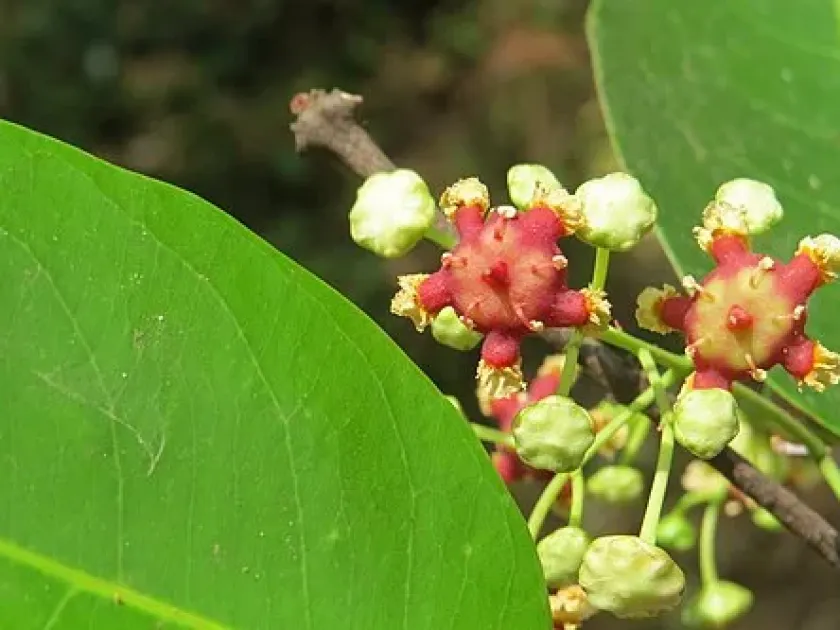
Description
Growing requirements
Lophopetalum rigidum is a significant tree species within the Celastraceae family, widely known for its distribution in the tropical forest ecosystems of Southeast Asia.
The species thrives in environments characterized by high humidity, tropical temperatures, and consistent annual rainfall, which are essential for its vigorous growth.
Regarding edaphic requirements, the tree prefers deep, fertile, and well-drained soil profiles typical of alluvial plains, allowing its extensive root system to anchor firmly.
Botanically, Lophopetalum rigidum is recognized for its rigid leaves and high-density timber, which have adapted to the light-competitive conditions of the forest canopy.
Successful management of this culture requires careful site selection that mimics its natural habitat, ensuring adequate sunlight for mature specimens while protecting juveniles.
Main diseases and pests
The primary threat facing Lophopetalum rigidum populations is habitat degradation driven by large-scale land clearing and commercial forestry practices.
Pathogenic fungi present a constant risk in humid environments, potentially leading to bark lesions or internal decay if the tree's health is compromised.
Various insect larvae and defoliators pose significant pressure on the canopy health, especially in mono-specific plantations where natural biodiversity is absent.
Root rot pathogens become a critical issue in poorly managed sites where waterlogging prevents proper root respiration and promotes the development of disease.
Integrated pest management strategies focusing on early detection and preserving site diversity are essential for maintaining the health of the Lophopetalum genus.