
Lophopetalum multinervium
Lophopetalum multinervium
Description
Growing requirements
Lophopetalum multinervium is a prominent evergreen tree species belonging to the Celastraceae family. Native to the tropical rainforests of Southeast Asia, it is a majestic tree that frequently reaches heights of over 40 meters, making it a key component of the canopy layer.
The natural habitat of this species is primarily associated with lowland swamp forests and peat swamp ecosystems. It has evolved to thrive in environments where the soil remains saturated or inundated for significant portions of the year.
Regarding climatic conditions, the tree requires high year-round temperatures and significant rainfall. It does not possess adaptations to withstand cold temperatures, making its cultivation strictly limited to equatorial and tropical regions.
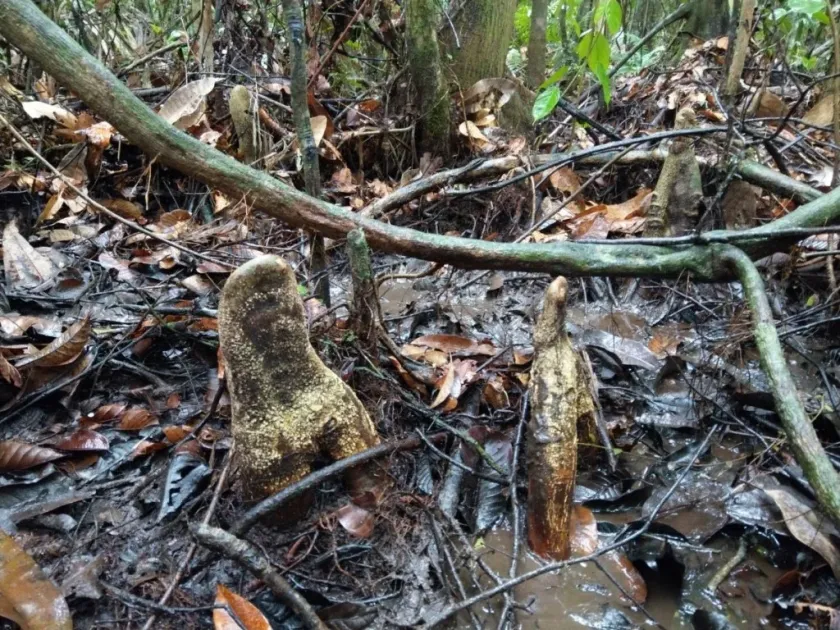
Soil requirements for optimal growth include acidic, organic-rich peat substrates. The tree possesses specialized root adaptations that allow it to extract nutrients and maintain structural stability in waterlogged and oxygen-poor soil environments.
Economically, the species is highly valued for its timber. The wood is widely utilized in the construction industry, for furniture manufacturing, and in the production of plywood. Its durability and workability make it a desirable resource in regional markets.
Main diseases and pests
The primary threat to Lophopetalum multinervium is the large-scale conversion of peat swamp forests into agricultural land, particularly for oil palm plantations. This habitat loss significantly reduces the distribution of wild populations.
In terms of pathology, the species is susceptible to various fungal infections, particularly when forest drainage disrupts the natural hydrological balance. This leads to tree physiological stress and susceptibility to decay.
Pest pressure from wood-boring insects represents a major economic risk for timber producers. Infestations can ruin the structural integrity of the log, leading to severe financial losses during the harvesting and milling processes.
Fire is a critical threat to this species. In areas where peatlands are drained for land development, the risk of uncontrollable subterranean fires increases significantly, often resulting in complete stand mortality.
Conservation of the species requires strict adherence to sustainable forestry practices and the protection of hydrological regimes in the remaining intact swamp forest ecosystems.