
Lophopetalum javanicum
Lophopetalum javanicum
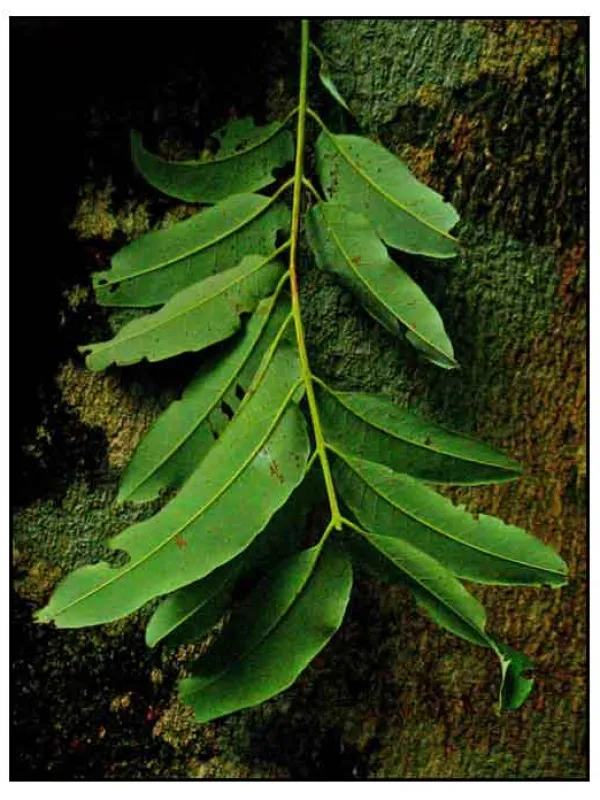
Description
Growing requirements
Lophopetalum javanicum is a prominent evergreen tree species belonging to the Celastraceae family. It is native to the tropical rainforests of Southeast Asia, where it contributes significantly to the structural complexity and ecological health of diverse forest ecosystems across Indonesia, Malaysia, and surrounding territories.
The tree thrives in tropical environments characterized by high annual precipitation and consistently warm temperatures. Successful cultivation relies on mimicking these conditions, as the species is highly sensitive to physiological stress induced by water deficit or exposure to cooler, non-tropical temperature regimes that inhibit its biological growth cycle.
Regarding soil requirements, Lophopetalum javanicum prefers deep, well-drained fertile soils, such as alluvial or clay-loam types. It avoids waterlogged areas, requiring a substrate that provides both sufficient moisture retention and adequate aeration for the root system to prevent root rot and promote healthy vertical development of the trunk.
Silvicultural practices involve careful selection of site conditions and nursery management. Seeds must be collected and sown fresh due to their recalcitrant nature. Young saplings require controlled shading during the initial establishment phase to prevent sunscald and optimize early photosynthetic efficiency before they are ready for transition into permanent forest stands.
Economically, this species is highly valued for its timber. The wood is prized for its moderate density, fine grain, and good working properties, making it a preferred material for interior construction, cabinetry, and various carpentry applications. Sustainable management of this resource remains a priority for regional forestry departments to balance production and conservation.